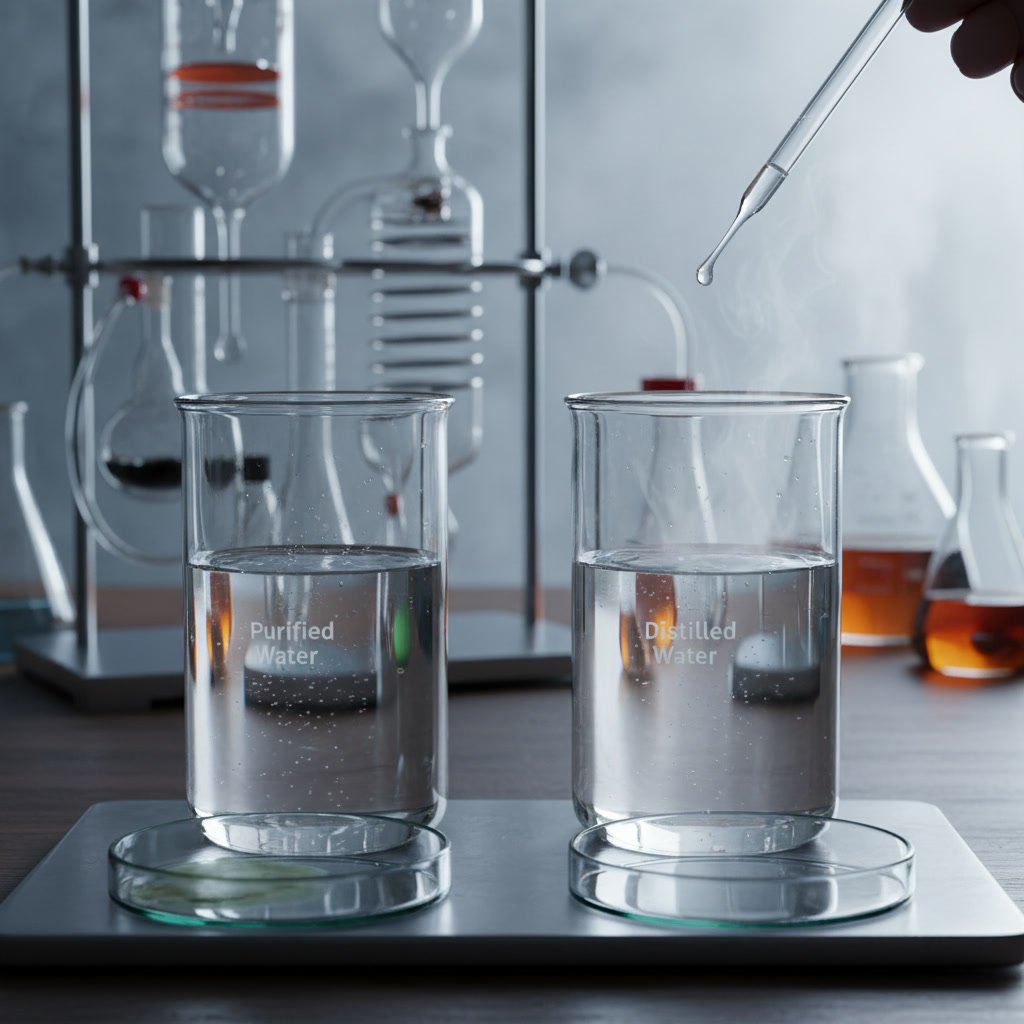
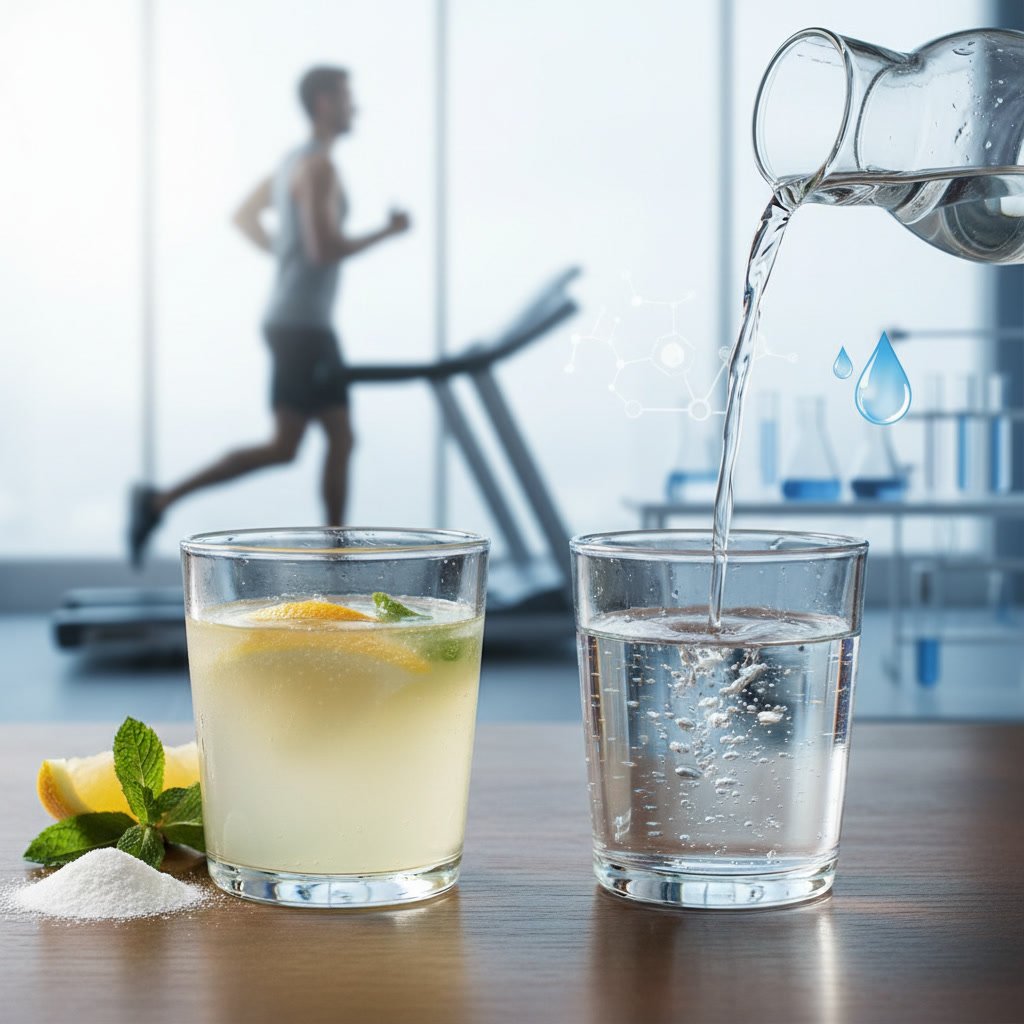
Choosing between electrolyte and purified water depends on your activity level, health goals, and daily routine. Both offer clean hydration, but electrolyte water adds minerals that support fluid balance during intense exercise or heat exposure, while purified water delivers contaminant-free refreshment for everyday drinking. The debate around electrolyte vs purified water centers on whether you need those added minerals or if clean water alone meets your needs.
Why the Choice Between Water Types Matters for Your Health
Not all bottled water serves the same purpose. Your body loses water constantly through breathing, sweating, and normal metabolic processes. Plain water replaces lost fluids, but during heavy sweating or prolonged activity, you also lose sodium, potassium, and other minerals your cells need to function. The type of water you drink can affect how well your body maintains hydration, especially during extreme conditions.
Many people assume all bottled water is identical, but the mineral content and treatment process create meaningful differences. Understanding these differences helps you match your water choice to your lifestyle rather than defaulting to whatever is convenient.
What Makes Purified Water Different From Other Types
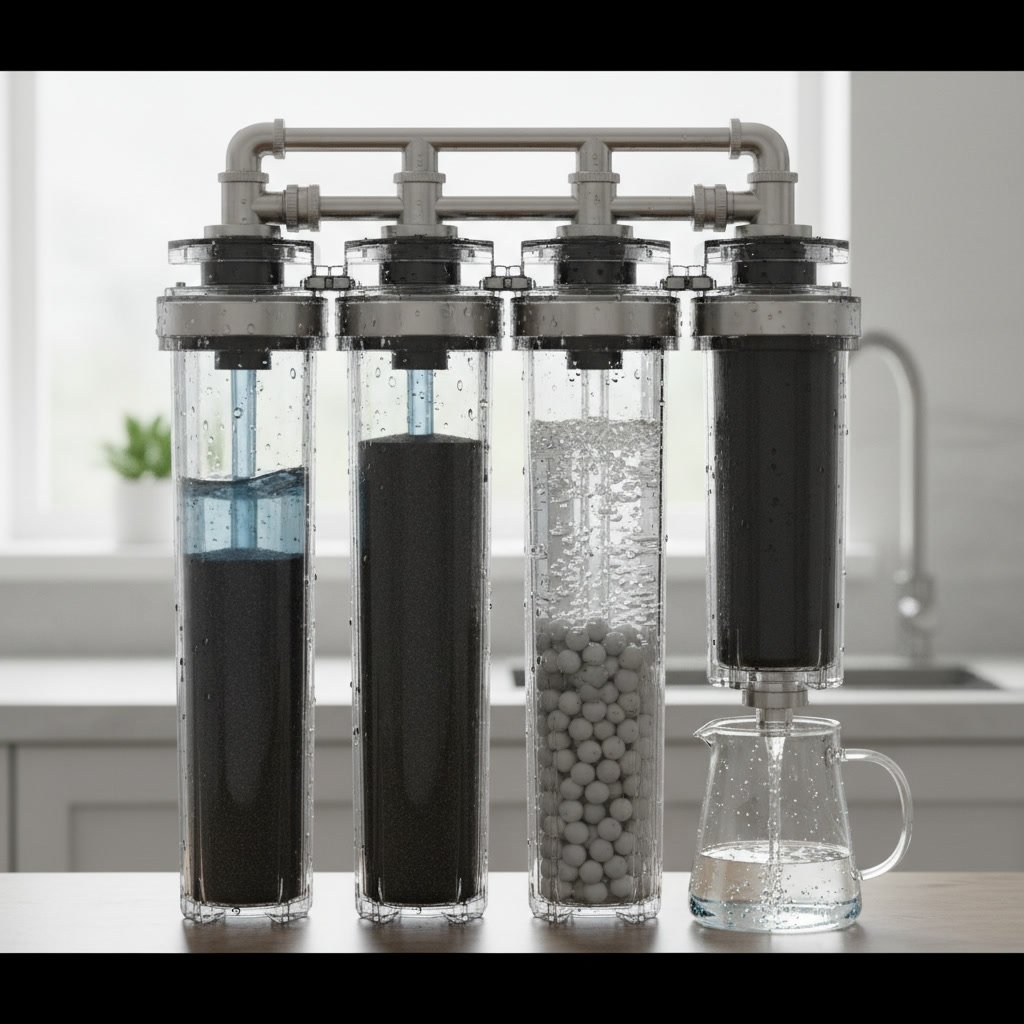
Purified water goes through extensive filtration to remove contaminants, minerals, and impurities. A quality purification process uses reverse osmosis, carbon filtration, and UV treatment to eliminate bacteria, chlorine, heavy metals, and dissolved solids. The result is clean-tasting water with virtually no trace elements.
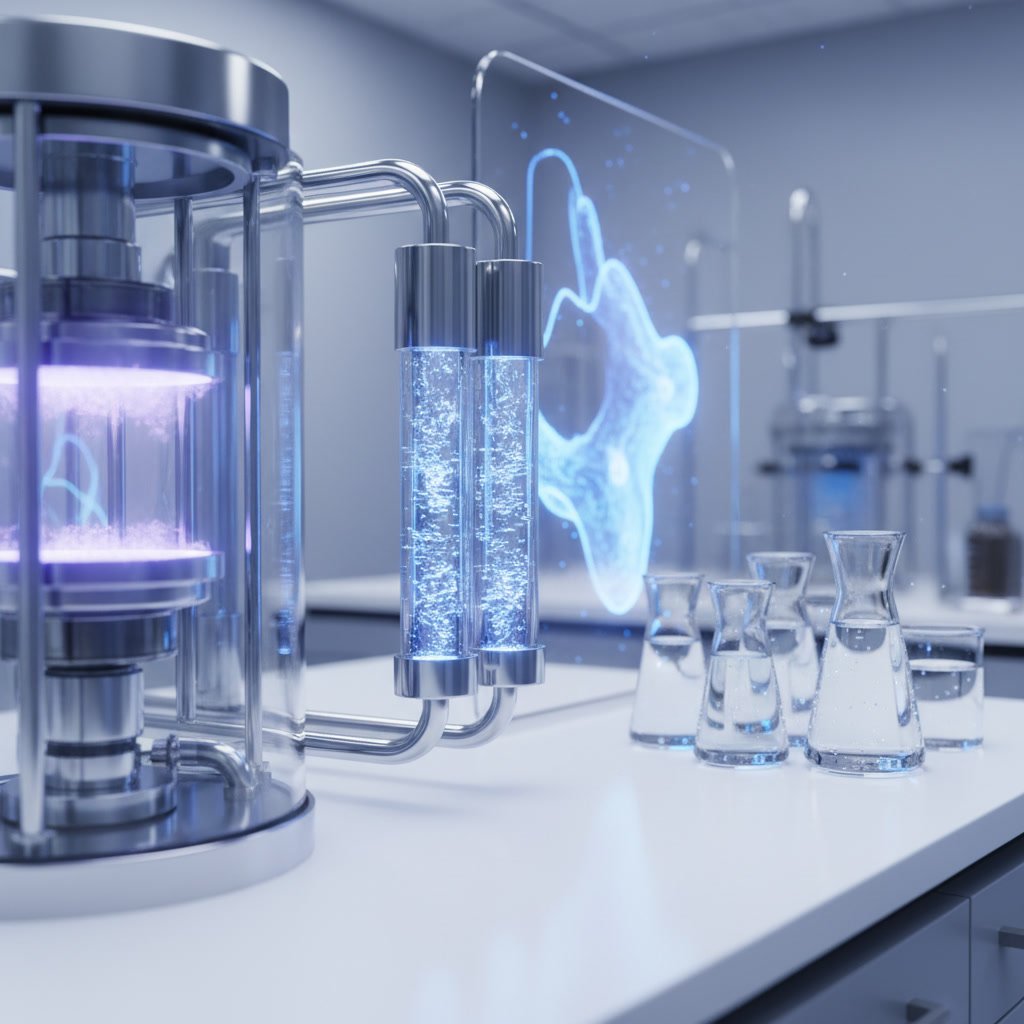
The six-step purification process starts with water softening to remove hardness minerals, followed by three-stage reverse osmosis that filters out particles as small as 0.0001 microns. Carbon filtration removes chlorine and organic compounds, while micro-carbon filtration polishes the taste. UV light treatment kills any remaining microorganisms, and ozonation provides a final disinfection stage.
This thorough treatment creates water that tastes neutral and contains minimal total dissolved solids, typically below 10 parts per million. For daily drinking, cooking, and making beverages, purified water provides a clean base without competing flavors or mineral aftertastes.
How Electrolyte Water Adds Essential Minerals Back
Electrolyte water starts as purified water, then receives precise amounts of minerals your body uses to regulate fluid balance. These typically include sodium, potassium, magnesium, and calcium. The minerals carry electrical charges that help cells absorb water and maintain proper hydration levels.
When you sweat, you lose approximately 500 to 1,000 milligrams of sodium per liter of sweat, along with smaller amounts of potassium and magnesium. Drinking only plain water during or after intense activity can dilute your blood sodium levels, a condition called hyponatremia that causes nausea, confusion, and in severe cases, dangerous health complications.
Electrolyte water provides a preventive measure by replacing both fluids and minerals simultaneously. The mineral content is typically lower than sports drinks but higher than plain purified water, offering a middle ground for people who need mineral replacement without excess sugar or calories.
When Your Body Actually Needs Extra Electrolytes in Las Vegas
Desert climates create unique hydration challenges. Summer temperatures in the area regularly exceed 105 degrees, causing rapid fluid loss even during short outdoor exposure. Your sweat rate increases dramatically in dry heat, and the low humidity accelerates evaporation, making you less aware of how much you are sweating.
People working outdoors, exercising in heat, or spending extended time outside lose significant electrolytes daily. Construction workers, landscapers, and outdoor recreation enthusiasts face the highest risk of electrolyte depletion. Even indoor activities like hot yoga or high-intensity interval training can trigger substantial mineral losses.
If you experience muscle cramps, persistent fatigue despite drinking water, or headaches after physical activity, you may be losing electrolytes faster than you replace them. These symptoms often improve when you switch from plain water to electrolyte-enhanced options during and after strenuous activity.
Comparing Daily Hydration Performance Between Both Water Types
For sedentary office work, light household activities, and general daily drinking, purified water meets your hydration needs completely. Your body obtains sufficient electrolytes from food, and the water you drink primarily serves to maintain fluid volume. Drinking eight glasses of purified water daily keeps most people properly hydrated without additional supplementation.
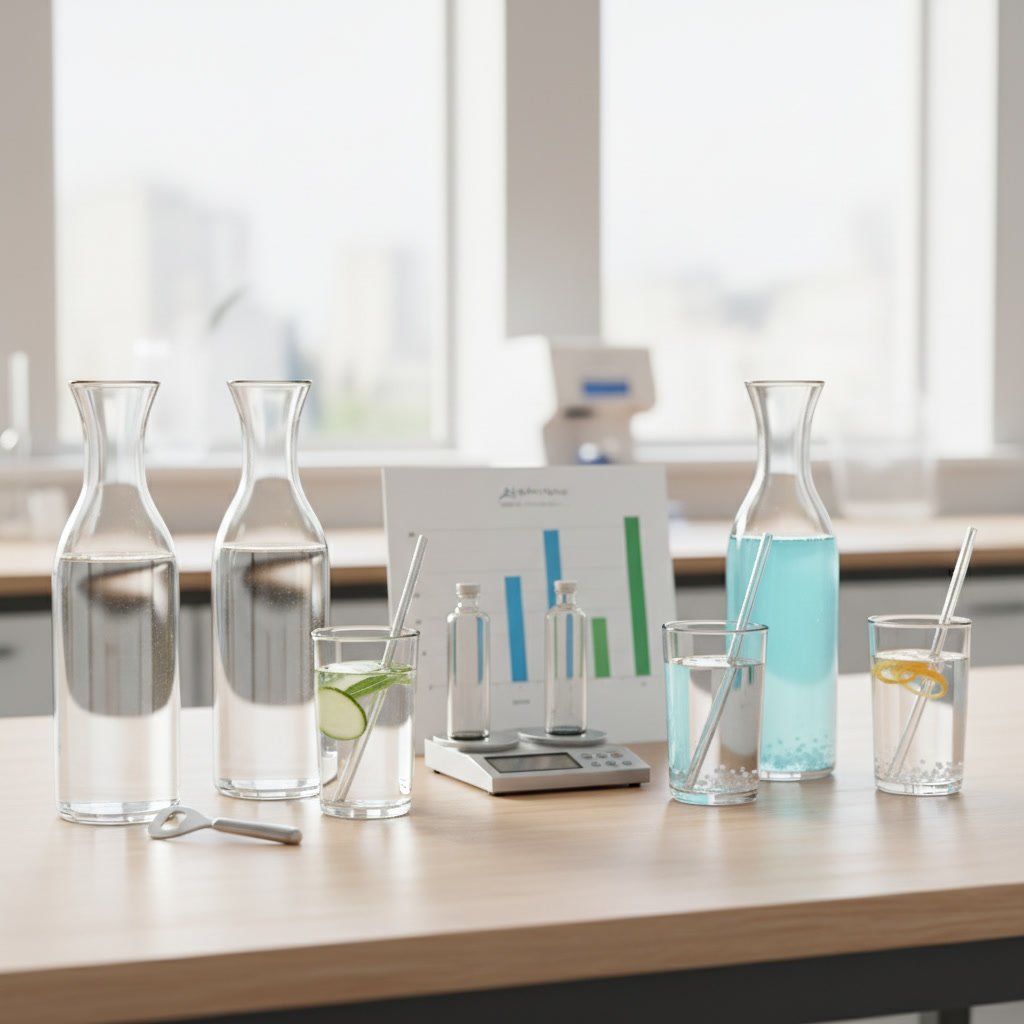
Electrolyte water becomes advantageous when your mineral losses exceed what your diet replaces. During workouts lasting more than 60 minutes, outdoor labor in heat, or recovery from illness involving vomiting or diarrhea, electrolyte water helps restore balance faster than plain water alone. The minerals improve water absorption in your intestines, allowing your body to rehydrate more efficiently.
One often-overlooked benefit of electrolyte water is reduced water intake needed for rehydration. Studies show that beverages containing sodium help your body retain fluids better than plain water, meaning you may need to drink less total volume to achieve the same hydration status. This matters when you need rapid rehydration but feel uncomfortably full from drinking large amounts.
Cost and Convenience Factors in Your Decision
Purified water typically costs less per gallon than electrolyte-enhanced varieties. If you drink several gallons weekly for your household, the price difference adds up over months. For families on a budget, purified water for routine drinking and electrolyte water for specific situations offers a balanced approach.
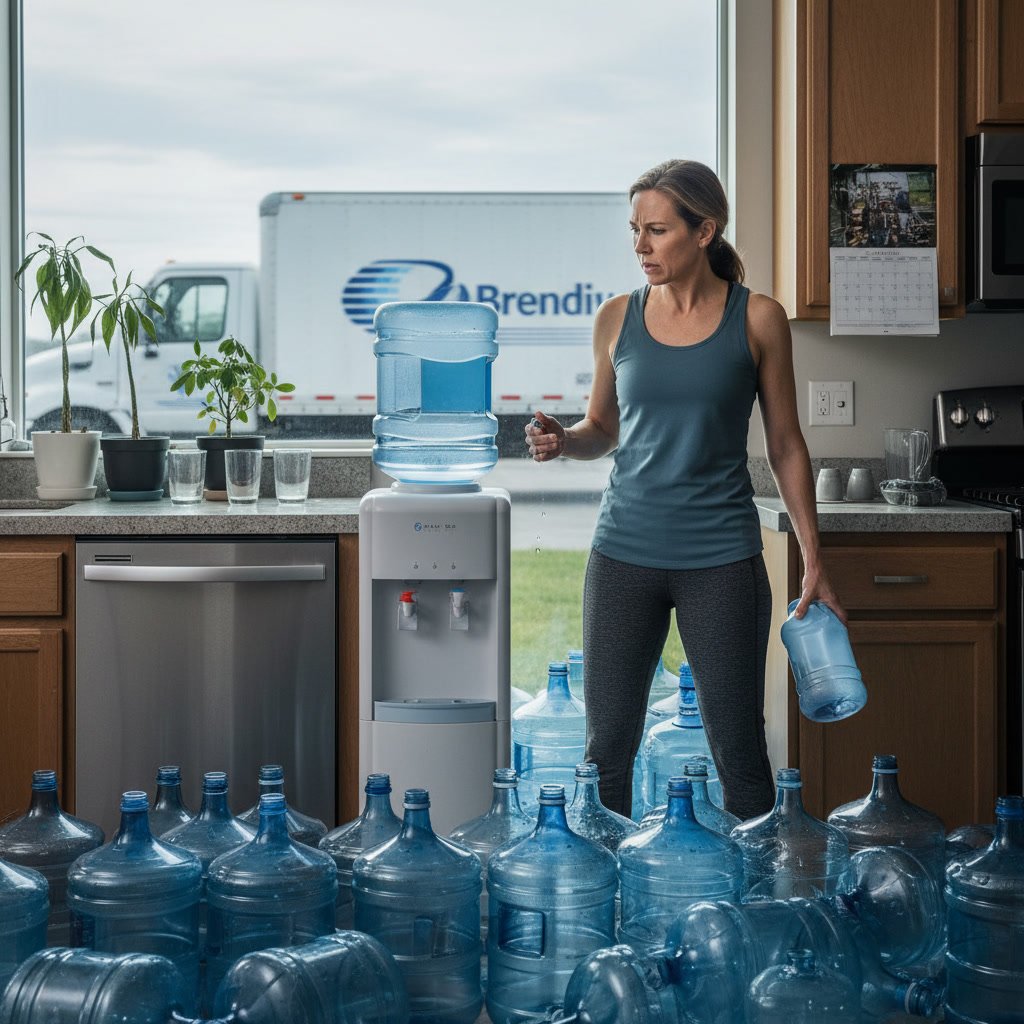
Delivery services simplify water management by bringing both types to your home on a regular schedule. Setting up home water delivery eliminates store trips and lets you stock both purified and electrolyte options without storage challenges. Having both types available means you can choose based on your daily activities rather than being limited to whatever you have on hand.
Taste Differences You Will Notice Between the Two
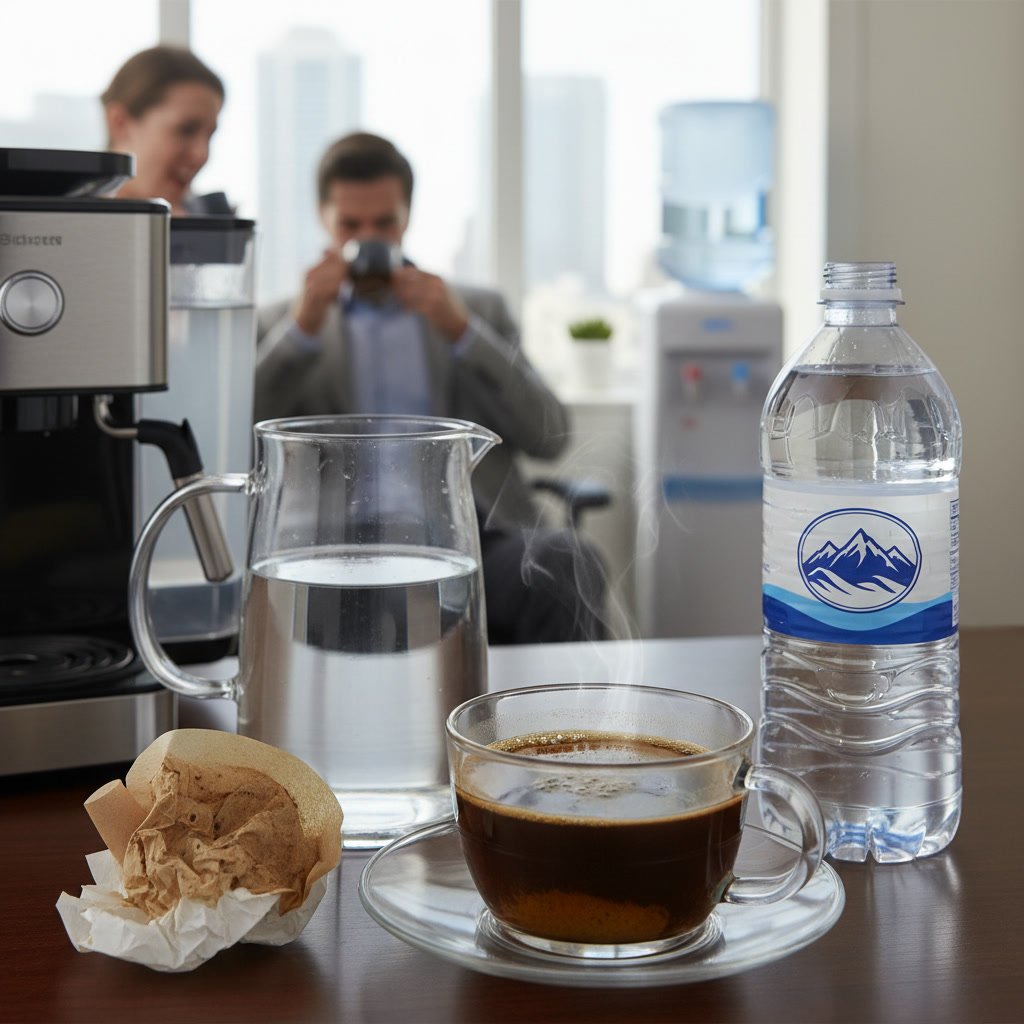
Purified water tastes clean and neutral, with no mineral flavor or aftertaste. Many people prefer this for drinking straight, making ice, or brewing beverages where they want the pure flavor of coffee or tea without mineral interference. Coffee brewing with purified water produces cleaner, more consistent flavor profiles.
Electrolyte water has a subtle mineral taste that some describe as slightly salty or minerally. The flavor is much milder than mineral water or sports drinks but noticeable compared to purified water. Whether you prefer this taste is personal, though many people find it more satisfying during or after exercise when their bodies crave minerals.

Which Water Type Works Best for Specific Health Goals
For weight loss or calorie restriction, both options work equally well since neither contains calories. Purified water often gets recommended for detox or cleanse programs because it contains no added substances, though your kidneys and liver handle detoxification regardless of water type.
People with high blood pressure or sodium-restricted diets should check electrolyte water labels, as some formulations add significant sodium. Those with kidney disease should consult their doctor before regularly consuming electrolyte water, since compromised kidneys may struggle to regulate mineral levels.
Athletes training at high intensity benefit from electrolyte water during and immediately after workouts. For strength training, running, cycling, or team sports, the mineral content supports performance and recovery. Casual exercisers doing moderate 30-minute sessions typically get adequate minerals from meals and can use purified water without issues.
How to Rotate Between Purified and Electrolyte Water Strategically
Most people do best using purified water as their default choice and switching to electrolyte water situationally. Keep purified water in your refrigerator for meals, casual drinking, and hydration during normal activities. Stock electrolyte water for gym sessions, outdoor work, hot days, or recovery from illness.
One practical approach is drinking purified water in the morning and evening while using electrolyte water around physical activity. This pattern provides minerals when your body uses them most efficiently without unnecessary supplementation during rest periods.
Nevada Crystal Premium offers both water types in multiple bottle sizes, letting you choose the right option for each situation. Larger bottles work well for home use, while smaller sizes fit conveniently in gym bags or car cup holders.
Making the Right Choice for Your Household
The best hydration strategy recognizes that electrolyte vs purified water is not an either-or decision. Both types serve valuable purposes depending on context. Purified water meets everyday hydration needs efficiently and affordably, while electrolyte water provides targeted support during physical stress or mineral depletion.
Assess your typical activities, climate exposure, and health status to determine your ideal mix. Households with active family members, outdoor workers, or regular gym-goers benefit from keeping both types available. Sedentary households may find purified water sufficient for all needs.
If you are exploring options beyond purified and electrolyte varieties, alkaline water and spring water offer additional choices with distinct mineral profiles and pH levels. Each type addresses different preferences and situations.
Getting Fresh Water Delivered on Your Schedule
Understanding the differences between water types helps you make informed choices, but convenience determines whether you stick with quality hydration habits. Regular delivery ensures you never run out of clean water and eliminates the hassle of store trips with heavy bottles.
Nevada Crystal Premium serves thousands of homes and offices with flexible delivery schedules and multiple water types. Whether you need purified water for daily drinking, electrolyte water for active lifestyles, or a combination of both, delivery every four weeks keeps your supply consistent without storage worries.
Choose from 5-gallon, 4-gallon BPA-free, 3-gallon, 1-gallon, 1-liter, and 16.9-ounce bottles to match your household size and consumption patterns. Cooler rental options keep your water cold and accessible in any room. For quality water delivery that fits your lifestyle, call +17028920535 to set up your first delivery and experience the difference fresh, locally delivered water makes.