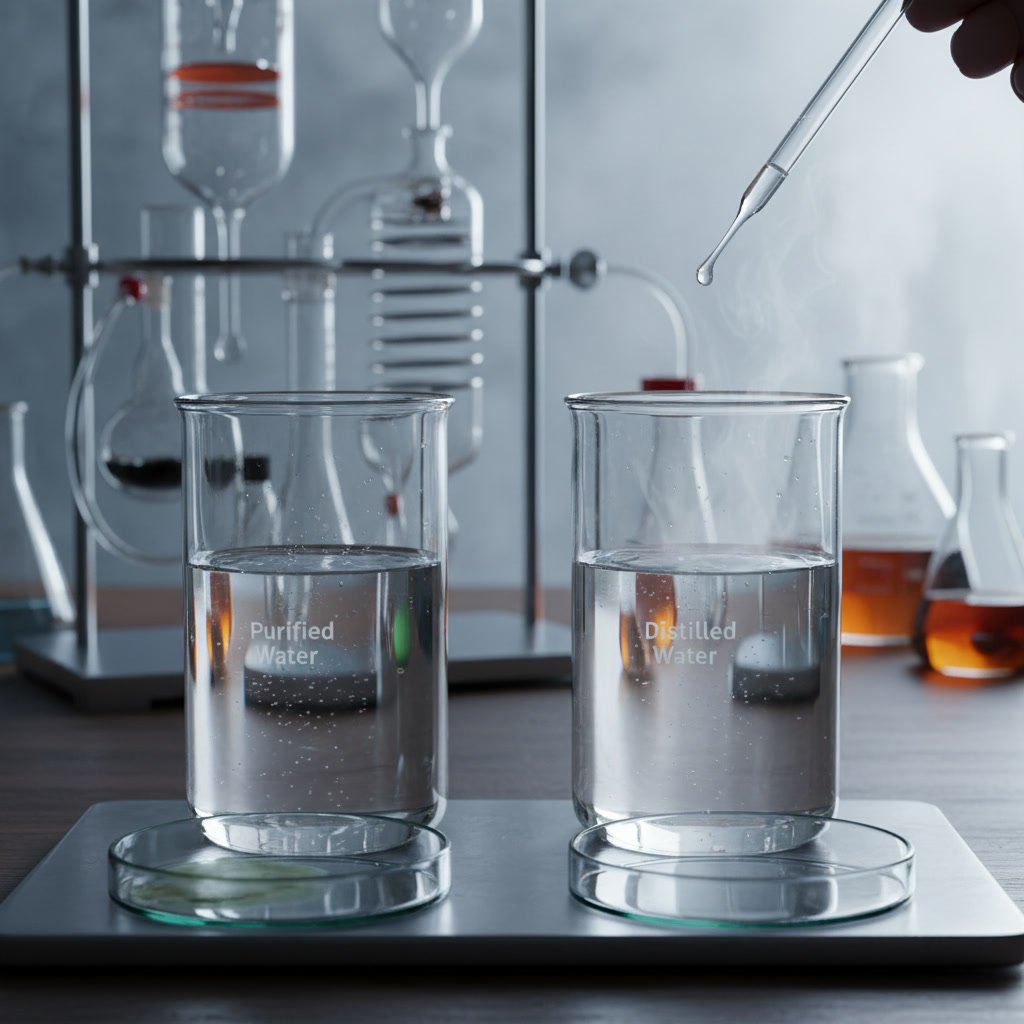
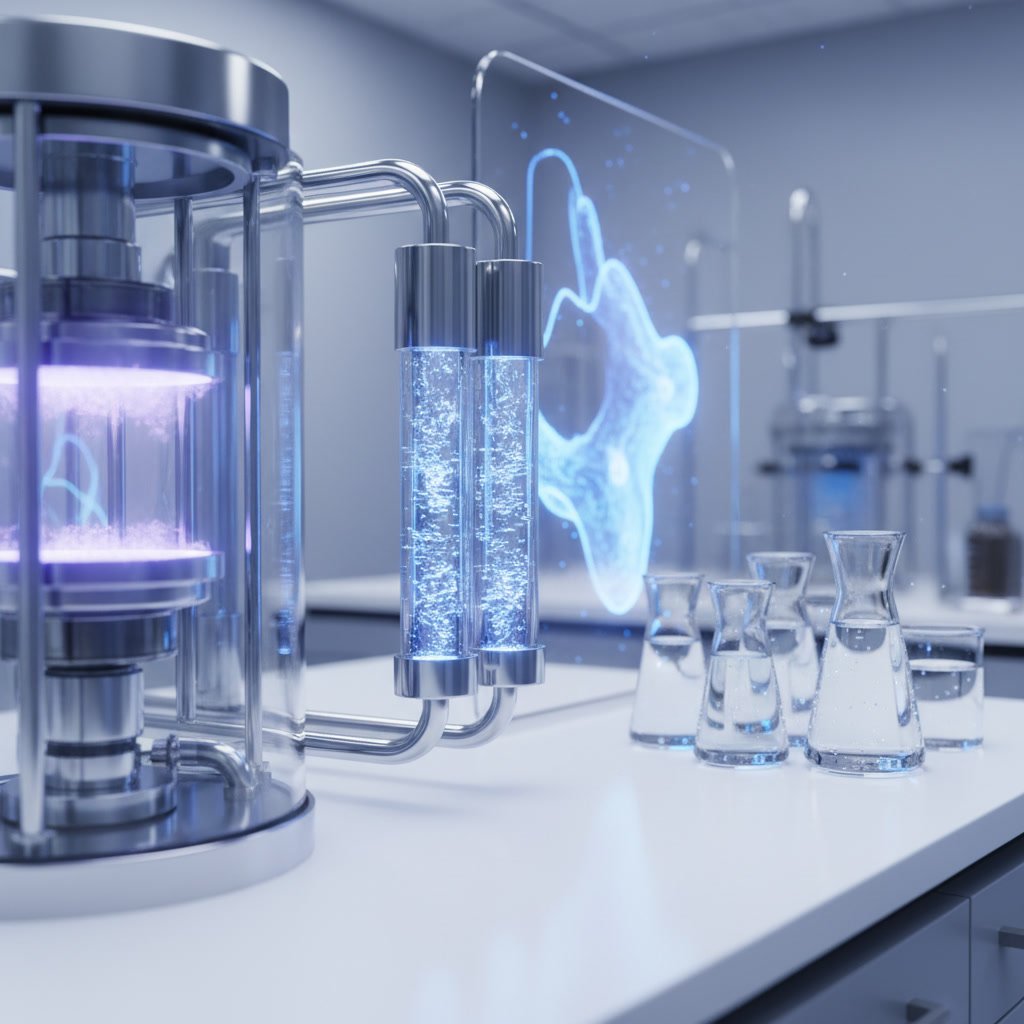
UV ozone water treatment uses ultraviolet light and ozone gas to eliminate bacteria, viruses, and other microorganisms from drinking water without adding chemicals. The UV light disrupts the DNA of pathogens so they cannot reproduce, while ozone oxidizes and destroys cell walls. Together, these methods provide a final safeguard in multi-stage purification systems that deliver safe, clean drinking water.
Why Chemical-Free Disinfection Matters for Drinking Water
Traditional water disinfection methods rely on chlorine or chloramine to kill bacteria. While effective, these chemicals can leave residual tastes, odors, and potentially harmful byproducts in your drinking water. Many people in desert climates notice a strong chemical taste in their tap water, which often leads them to seek better alternatives.
Chemical-free disinfection methods offer a solution that destroys pathogens without altering the taste or adding substances that remain in the water you drink. These advanced technologies work at the molecular level to neutralize threats while leaving the water pure and fresh-tasting.
The Science Behind Ultraviolet Light Disinfection
Ultraviolet light operates at a specific wavelength of 254 nanometers, which penetrates the cell walls of microorganisms and damages their genetic material. This UV-C radiation scrambles the DNA and RNA inside bacteria, viruses, and protozoa, making it impossible for them to reproduce or cause infection.
The process happens in seconds as water flows past the UV lamp. A single UV light can treat thousands of gallons per day, making it highly efficient for both commercial and residential applications. Unlike chemical treatments that require contact time to work, UV disinfection is nearly instantaneous.
How Ozone Gas Destroys Waterborne Pathogens
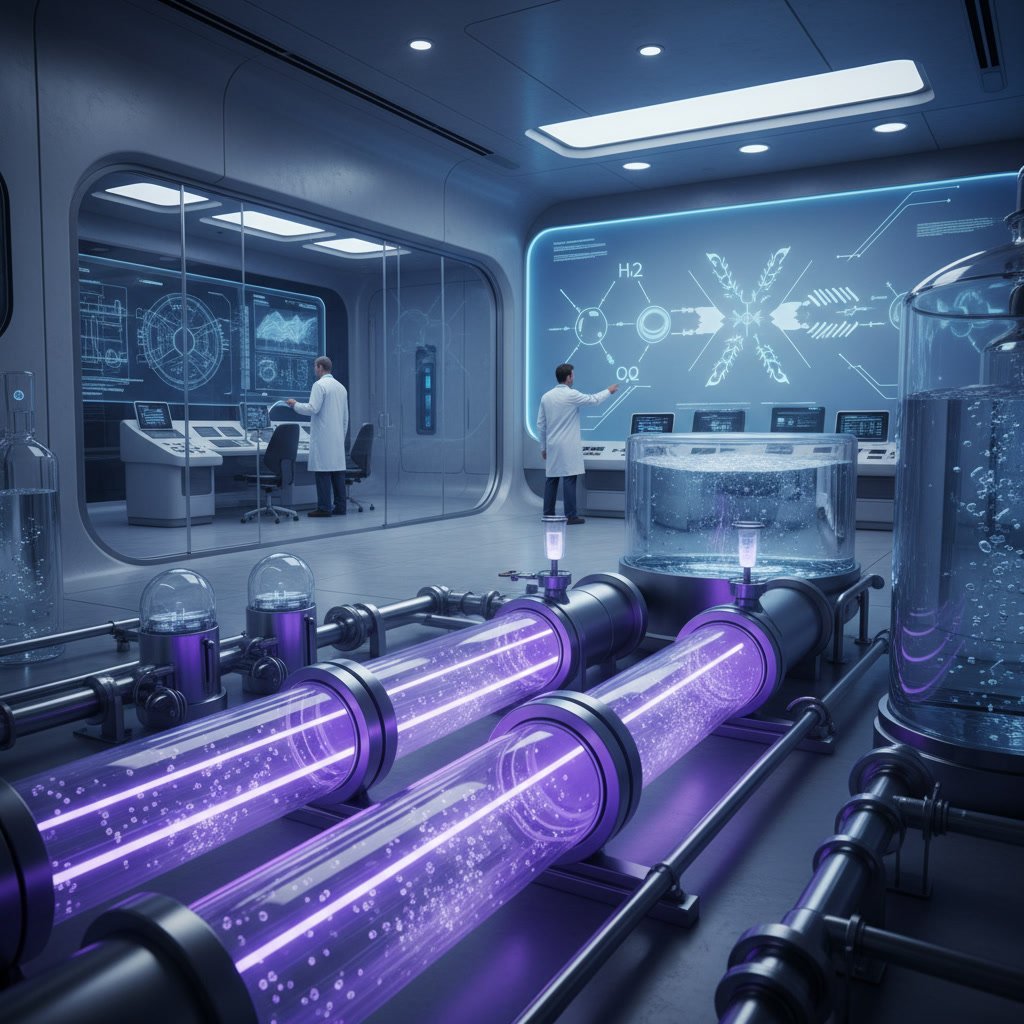
Ozone is a powerful oxidizing agent made up of three oxygen atoms (O3). When dissolved in water, it attacks the cell membranes of bacteria and viruses, causing them to rupture and die. This oxidation process also breaks down organic compounds, pesticides, and other contaminants that may have survived earlier filtration stages.
Ozone generation happens through corona discharge or UV radiation applied to oxygen molecules. The unstable ozone quickly reverts back to regular oxygen (O2) after doing its work, leaving no chemical residue. This self-decomposition typically occurs within 20 to 30 minutes, ensuring the final bottled product contains only pure water.
Why These Two Methods Work Better Together
UV light and ozone complement each other by targeting pathogens in different ways. UV light excels at deactivating resistant organisms like Cryptosporidium and Giardia, which can survive chemical disinfection. Ozone handles a broader spectrum of contaminants, including bacteria, viruses, molds, and chemical residues.
Using both methods creates multiple barriers against contamination. If any microorganisms manage to pass through one treatment, the second method catches them. This redundancy is crucial for purified water systems that serve health-conscious customers who demand the highest safety standards.
The Six-Step Purification Process in Las Vegas Water Delivery
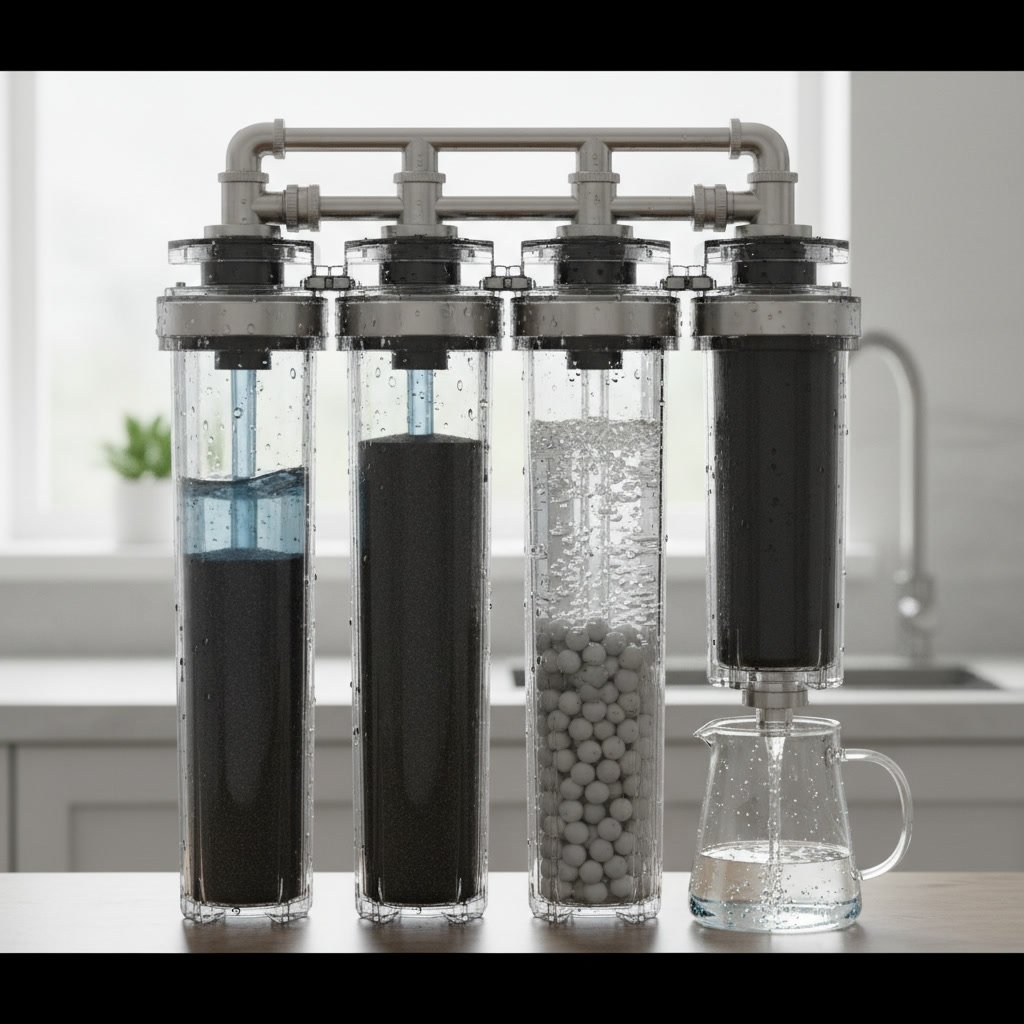
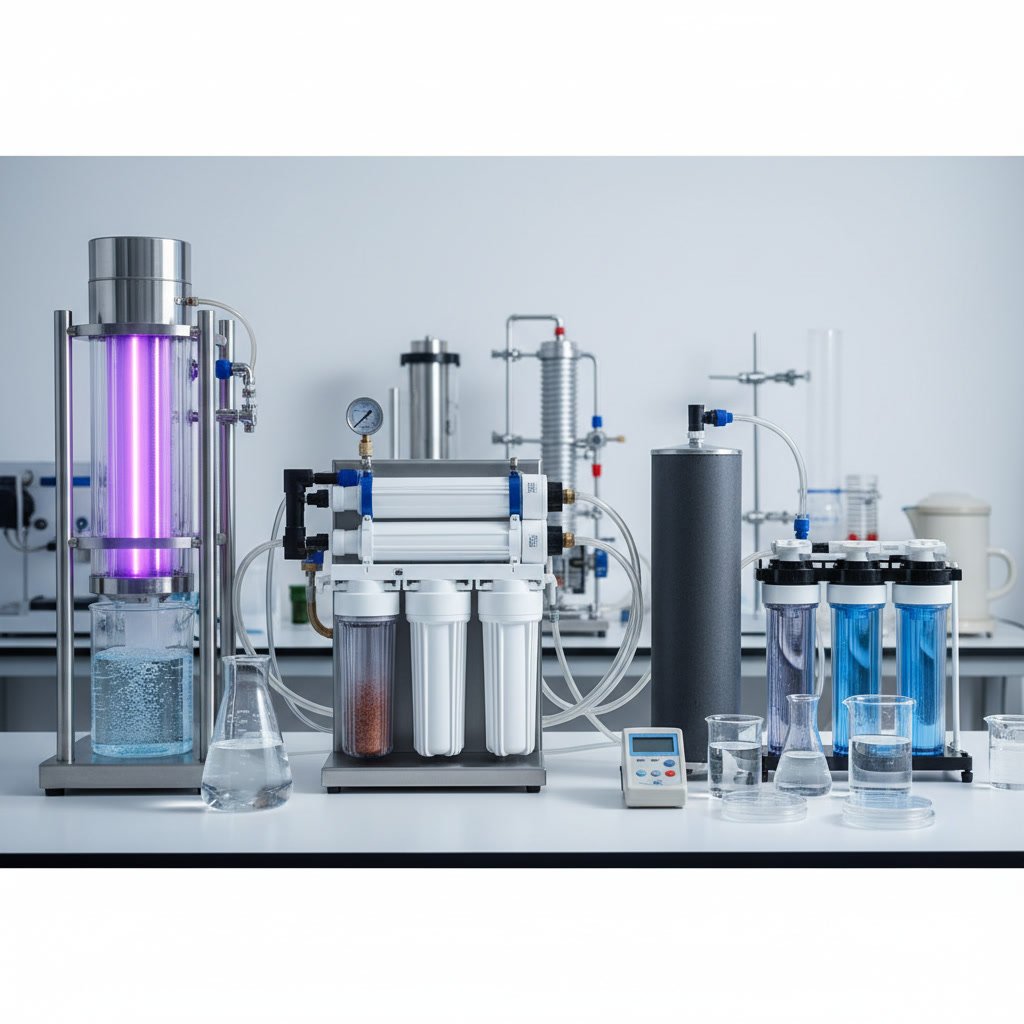
Advanced water purification combines multiple technologies to remove every type of contaminant. A comprehensive system typically follows these stages:
- Water softening removes calcium and magnesium that cause hardness and scale buildup
- Three-stage reverse osmosis filters out dissolved solids, heavy metals, and chemicals down to 0.0001 microns
- Carbon filtration absorbs chlorine, organic compounds, and improves taste
- Micro-carbon filtration captures remaining particles and volatile organic compounds
- UV light treatment deactivates any surviving microorganisms
- Ozonation provides final disinfection and adds a protective oxygen layer
Each stage addresses specific contaminant categories, ensuring nothing harmful remains in the final product. This layered approach explains why bottled water delivery services that use advanced purification can guarantee consistent quality.
What UV Light Cannot Do Alone
While UV disinfection effectively neutralizes microorganisms, it does not remove physical particles, dissolved minerals, or chemical contaminants. If the water contains sediment or turbidity, particles can shield bacteria from UV exposure, reducing effectiveness.
UV lamps also require regular maintenance. Mineral deposits can form on the quartz sleeve that surrounds the bulb, blocking UV transmission. The bulbs themselves lose intensity over time and typically need replacement every 9,000 to 12,000 hours of operation. Without proper monitoring, a failing UV system may provide false security.
This is why UV treatment works best as the final stage after filtration removes physical and chemical contaminants. Pre-filtration ensures the UV light can reach every microorganism in crystal-clear water.
Ozone Limitations and Safety Considerations
Ozone must be carefully controlled because it can be harmful if inhaled in high concentrations. Commercial ozone generators require proper ventilation and monitoring systems to protect workers. The gas must fully dissipate before water is bottled to avoid any off-taste or potential irritation.
Ozonation also requires sufficient contact time. Water must remain in the ozone chamber long enough for the gas to dissolve and react with contaminants. Rushing this process reduces effectiveness. Professional systems carefully balance flow rates with chamber size to ensure complete treatment.
Unlike UV light, which works continuously while the lamp is on, ozone generation requires energy-intensive equipment. The operating costs are higher, but the thorough disinfection and oxidation benefits justify the investment for premium water services.
How These Methods Compare to Other Purification Technologies
Reverse osmosis removes up to 99% of dissolved contaminants but cannot guarantee sterilization. Some bacteria can survive on membrane surfaces or in storage tanks. Adding UV and ozone stages after RO ensures that any organisms present are destroyed before bottling.
Carbon filtration improves taste and removes chemicals but provides no disinfection. Filters can even become breeding grounds for bacteria if not changed regularly. UV and ozone stages protect against this risk by sterilizing water after it passes through carbon.
Distillation kills microorganisms through boiling but requires significant energy and produces water with a flat taste due to complete mineral removal. The combination of filtration, UV, and ozone achieves comparable safety while preserving better taste and using less energy. Those interested in different water types can explore options like alkaline water or spring water that maintain beneficial mineral content.
Real-World Performance in Desert Climates
Desert water sources often contain elevated levels of total dissolved solids, minerals, and biological activity due to limited freshwater availability. Municipal treatment plants work hard to meet safety standards, but many residents remain dissatisfied with the taste and quality of their tap water.
UV and ozone systems excel in these conditions because they handle water that has already been treated but may have picked up contaminants in aging infrastructure. The final disinfection stages provide an extra measure of protection that matters when water travels through miles of pipes before reaching your home.
For businesses and families who set up home water delivery, knowing that advanced purification includes these chemical-free disinfection methods offers peace of mind. You get water that is both safe and pleasant to drink.
Protecting Water Quality After Purification
Even perfectly purified water can become contaminated if stored improperly. This is why Nevada Crystal Premium uses BPA-free bottles in multiple sizes, from 16.9-ounce single-serve bottles up to 5-gallon containers. Proper bottling immediately after ozonation locks in quality.
The residual ozone that remains briefly in bottled water provides a protective effect during the first few hours after bottling. As it converts back to oxygen, it creates an environment hostile to bacterial growth. By the time the water reaches your home or office, the ozone has fully dissipated, leaving only pure, oxygen-rich water.
Storage temperature and light exposure also matter. Keeping bottled water in a cool, dark place prevents algae growth and preserves freshness. The combination of thorough purification and proper handling ensures every bottle delivers the same high quality.
Choosing Water Delivery With Advanced Purification
Understanding how UV and ozone technologies work helps you evaluate water delivery services. Companies that invest in multi-stage purification, including chemical-free disinfection, demonstrate a commitment to quality that goes beyond basic filtration.
When researching providers, ask about their purification process and maintenance schedules for UV and ozone equipment. Regular testing and equipment updates ensure consistent performance. A provider that transparently explains their methods and shares testing results shows the kind of accountability that matters for your family’s health.
The convenience of regular delivery every four weeks means you never run out of safe drinking water. Combined with cooler rental options that keep water at the perfect temperature, professional water delivery solves both quality and convenience concerns in one service.
Nevada Crystal Premium has served thousands of Las Vegas customers for over 12 years using a comprehensive six-stage purification process that includes both UV light treatment and ozonation. This proven approach ensures every bottle meets the highest standards for safety and taste. Whether you prefer purified, electrolyte water, alkaline, or spring varieties, the same rigorous purification protects your health.
If you are ready to enjoy water that combines advanced purification with reliable local service, reach out to discuss your home or office needs. Call +17028920535 to schedule your first delivery and experience the difference that professional water service makes.