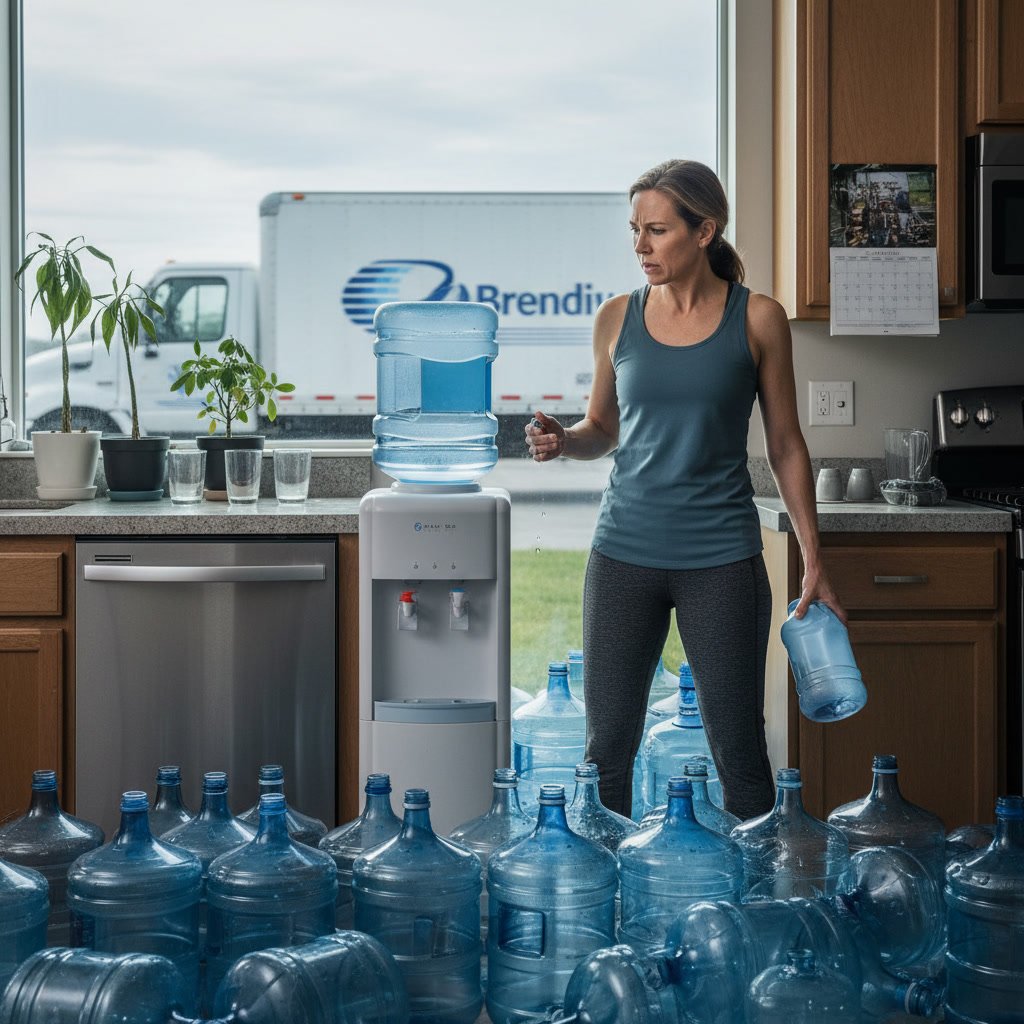
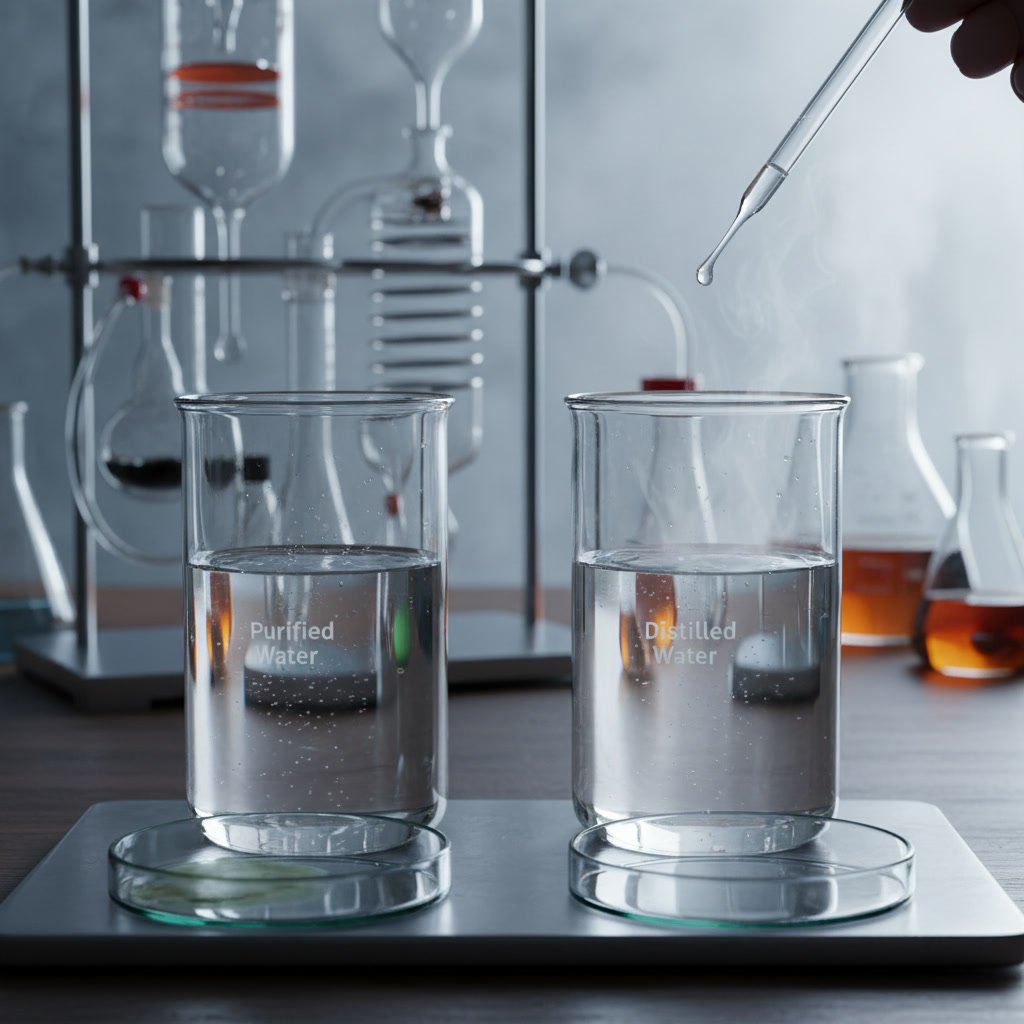
The debate over purified vs distilled water comes down to one critical question: which method removes more contaminants? Both purified and distilled water undergo rigorous treatment processes, but they achieve purity through different methods. Purified water typically uses a multi-stage filtration system including reverse osmosis and carbon filtration, while distilled water relies on boiling and condensation to remove impurities. Each method has distinct advantages depending on your specific needs and applications.
Understanding Water Contaminants and Why They Matter
Before comparing purification methods, you need to understand what’s actually in your water. Municipal water supplies can contain dozens of contaminants, including chlorine, fluoride, heavy metals like lead and mercury, bacteria, viruses, pesticides, pharmaceutical residues, and dissolved minerals. The quality of your source water determines which contaminants pose the greatest risk.
Total dissolved solids, or TDS, measure the concentration of inorganic and organic substances in water. Most tap water contains between 50 and 500 parts per million of TDS. While some minerals are beneficial, high TDS levels can affect taste and indicate the presence of unwanted contaminants. Both purification and distillation aim to reduce TDS to near-zero levels, though they accomplish this goal through fundamentally different processes.
How the Distillation Process Works
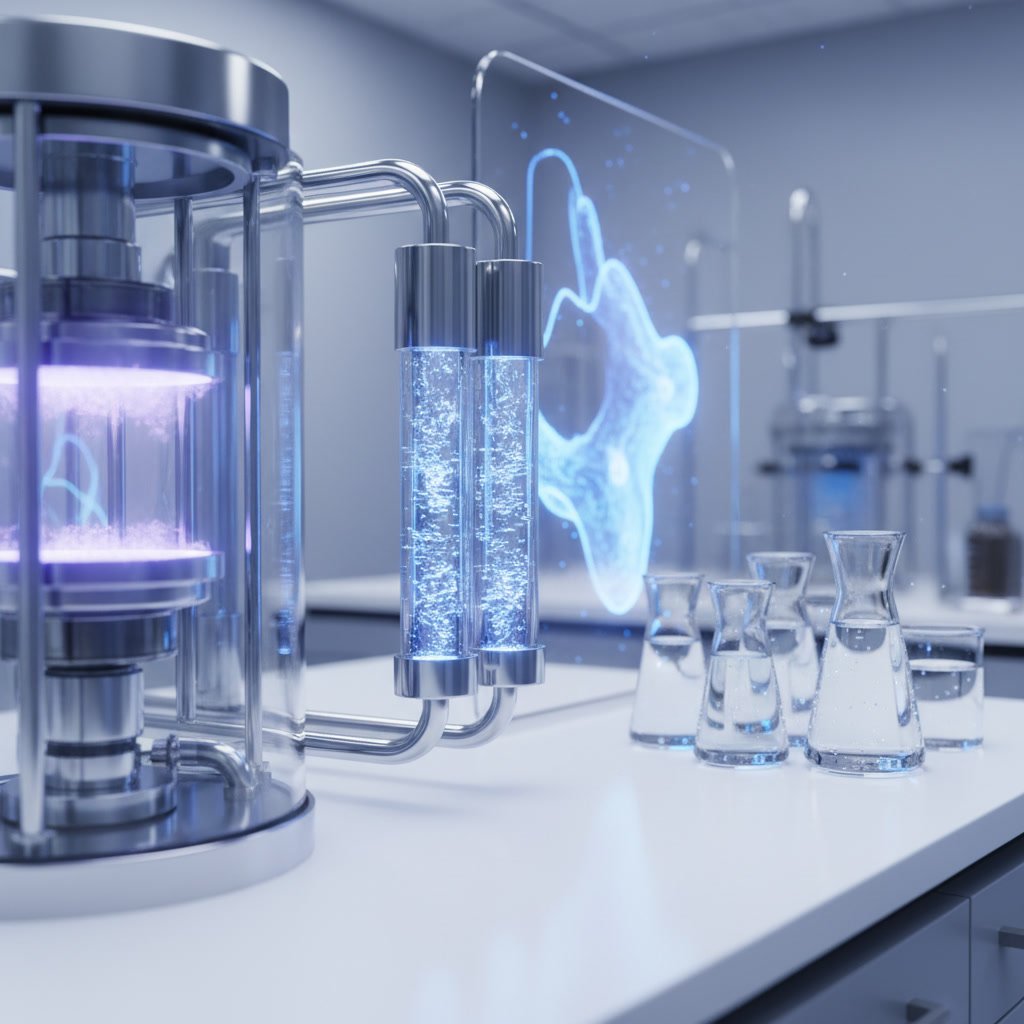
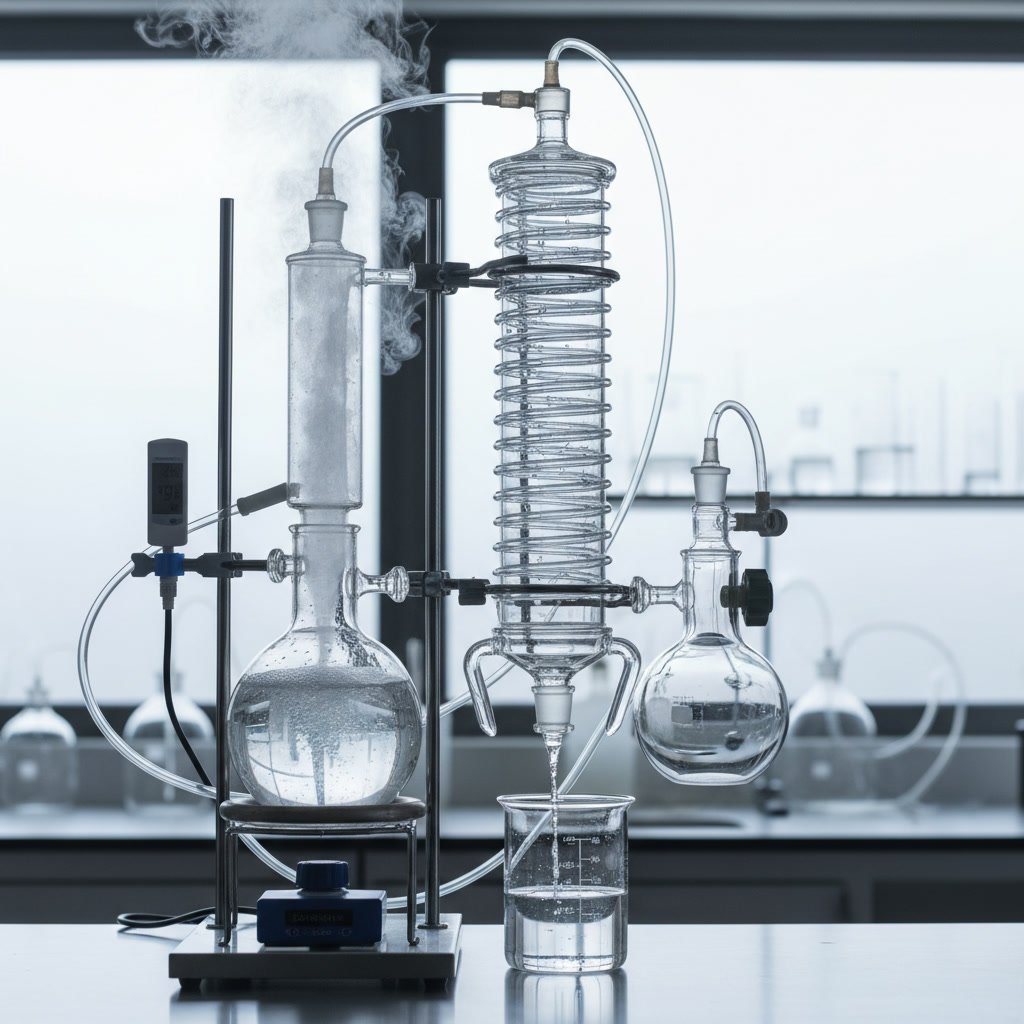
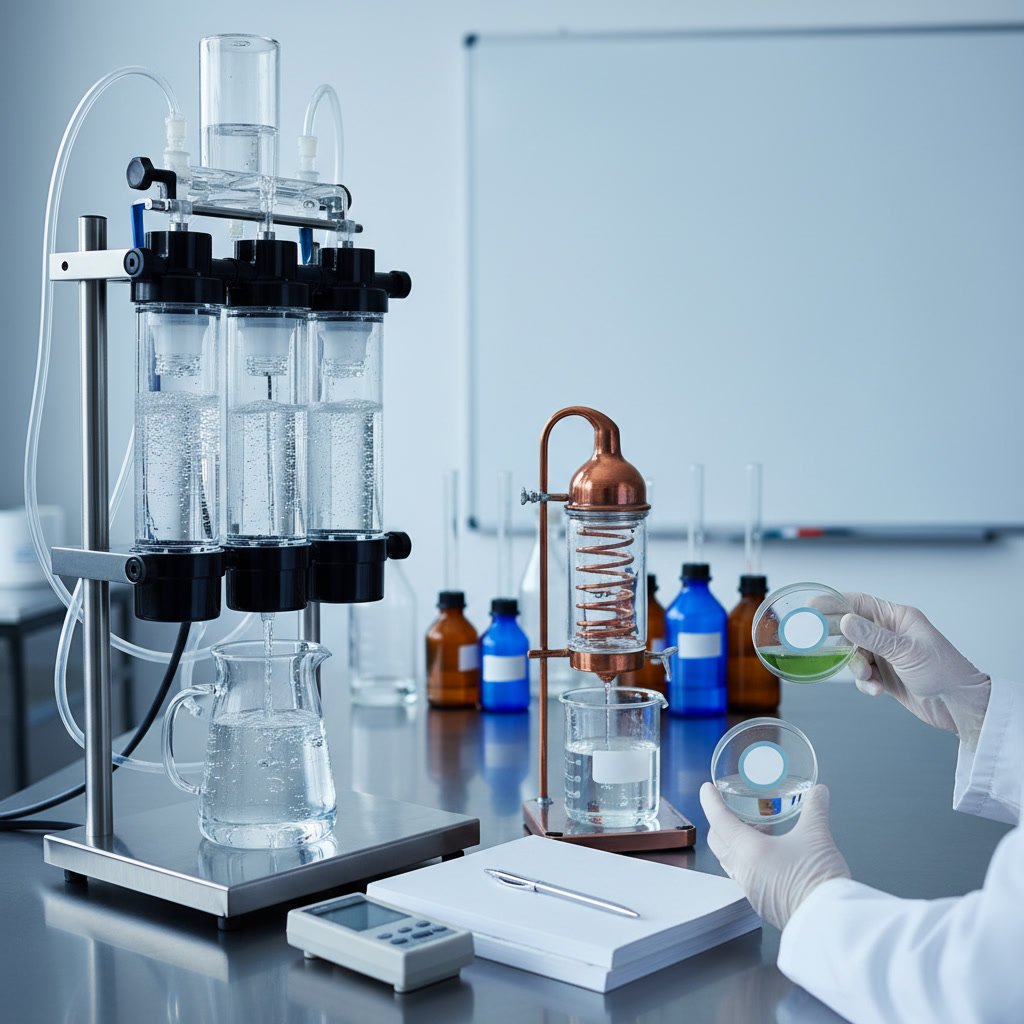
Distillation mimics the natural water cycle. Water is heated to its boiling point, converting it to steam. Since most contaminants have higher boiling points than water, they remain in the original container. The steam rises, travels through a cooling chamber, and condenses back into liquid form in a separate clean container.
This process effectively removes minerals, heavy metals, bacteria, viruses, and most chemicals. Distillation typically achieves a purity level of 99.9%, with TDS readings below 5 parts per million. However, volatile organic compounds with lower boiling points than water can potentially carry over into the distilled product unless additional carbon filtration is applied after distillation.
The Multi-Stage Purification Method Explained
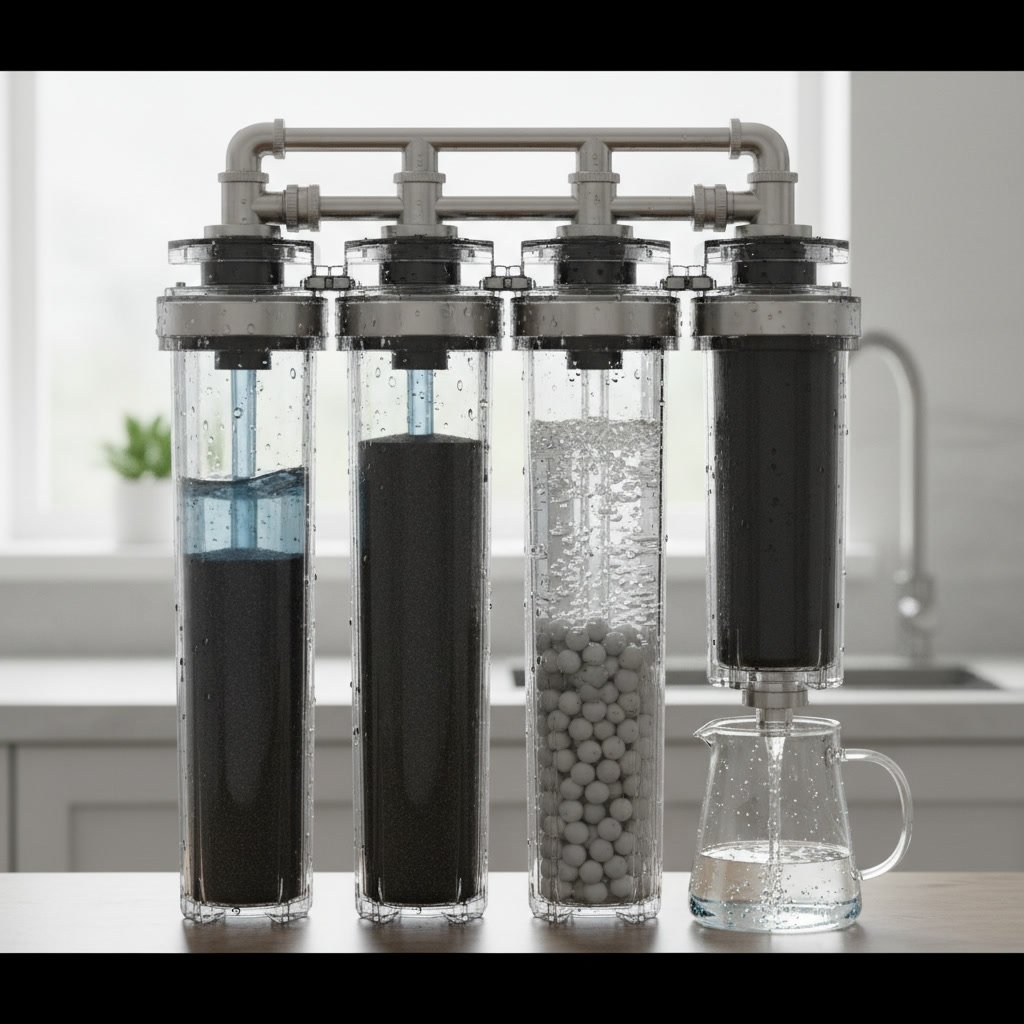
Modern water purification uses a combination of technologies to remove contaminants. Purified water systems often employ six or more treatment stages. The process begins with sediment filtration to remove particles, followed by water softening to reduce hardness minerals like calcium and magnesium.
Reverse osmosis forms the core of most purification systems. Water is forced through a semi-permeable membrane with pores measuring 0.0001 microns, small enough to block bacteria, viruses, heavy metals, and dissolved solids while allowing water molecules to pass. Carbon filtration stages remove chlorine, pesticides, and organic compounds. UV light treatment destroys any remaining microorganisms, and ozonation provides a final disinfection step.
This comprehensive approach removes 95 to 99% of all contaminants, achieving TDS levels between 0 and 10 parts per million. The multi-barrier system ensures that if one stage misses a particular contaminant, subsequent stages capture it.
Contaminant Removal Comparison Between Methods
When evaluating which method removes more contaminants, the answer depends on the specific substance. Distillation excels at removing dissolved minerals, heavy metals, nitrates, and microorganisms. The boiling process kills all bacteria and viruses, and the separation ensures they never reach the final product.
However, distillation struggles with volatile organic compounds like certain pesticides, herbicides, and industrial solvents. If these chemicals have boiling points similar to or lower than water, they can evaporate and recondense along with the purified water. Some distillation units address this weakness by incorporating activated carbon filters, but the basic distillation process alone may not capture these compounds.
Advanced purification systems using reverse osmosis paired with activated carbon filtration remove a broader spectrum of contaminants in a single process. The membrane blocks particles, microorganisms, and dissolved solids, while carbon stages specifically target organic chemicals, chlorine byproducts, and taste-affecting compounds. This combination proves more effective against the full range of potential water contaminants than distillation alone.
Energy and Time Requirements for Each Method
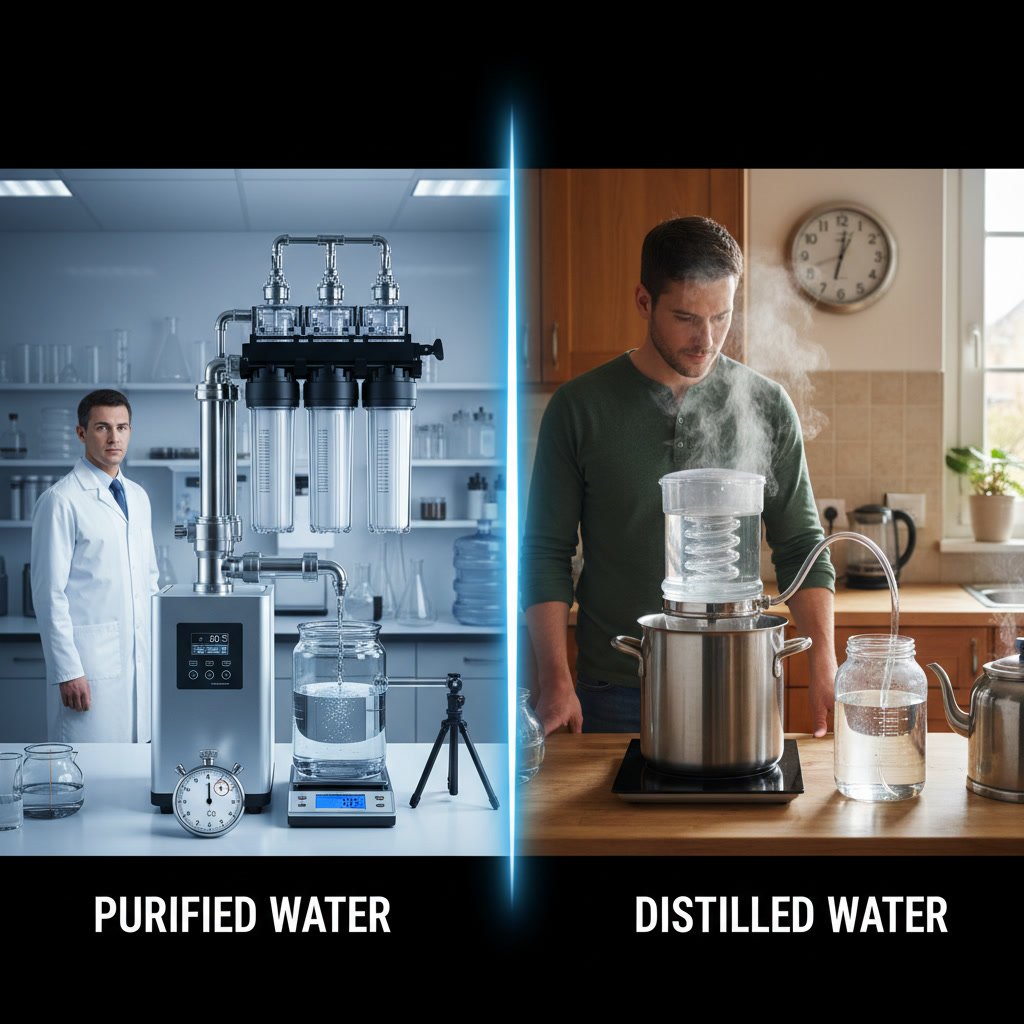
Distillation requires significant energy because it must heat water to boiling for extended periods. Producing one gallon of distilled water typically takes four to six hours and consumes between 2 and 3 kilowatt-hours of electricity. For households using multiple gallons daily, this energy consumption adds up quickly on utility bills.
Purification systems using reverse osmosis operate continuously with minimal energy input. Most residential systems run on standard water pressure or use small booster pumps that consume less than 50 watts. Production time depends on the system capacity, but most units can produce several gallons per hour with steady output throughout the day.
Taste and Mineral Content Differences
Both distilled and purified water taste noticeably different from tap water because they lack the minerals and chemical additives present in municipal supplies. Many people describe distilled water as flat or bland because it contains absolutely no dissolved minerals. This complete absence of minerals creates a neutral taste that some find unappealing for drinking, though it works well for specific applications.
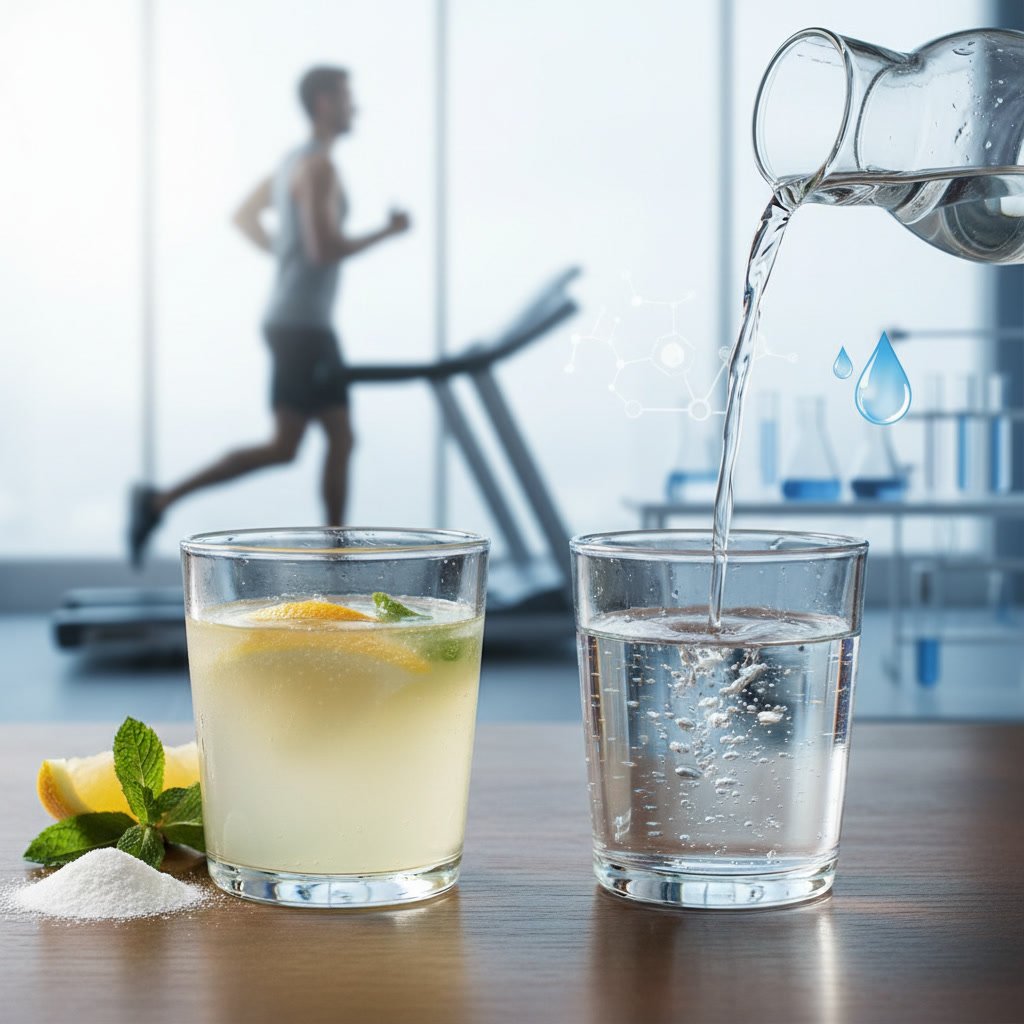
Purified water retains trace minerals depending on the system configuration. Some purification setups include remineralization stages that add back beneficial minerals like calcium and magnesium after the reverse osmosis process. This creates a more balanced taste while maintaining purity. Electrolyte water takes this further by adding specific minerals that support hydration and provide subtle flavor.
The mineral content also affects pH levels. Distilled water typically has a neutral to slightly acidic pH of 5.5 to 7.0 because it absorbs carbon dioxide from the air. Purified water with added minerals maintains a more stable pH between 6.5 and 8.0, which many find preferable for daily consumption.
Best Applications for Las Vegas Homes and Offices
In Las Vegas, where tap water hardness averages 280 parts per million and residents frequently complain about taste and odor issues, choosing the right water treatment matters. Bottled water delivery provides a practical solution that eliminates the need for maintaining home equipment while ensuring consistent quality.
Distilled water works best for specific uses rather than primary drinking water. Medical devices like CPAP machines require distilled water to prevent mineral buildup that damages equipment. Steam irons, humidifiers, and car batteries also benefit from distilled water’s zero mineral content. However, most people find distilled water less satisfying for daily hydration.
Purified water serves as an excellent all-purpose option for drinking, cooking, and beverage preparation. The balanced mineral content provides better taste while maintaining high purity standards. Offices and households that consume large volumes benefit from the efficiency and lower operating costs of purification systems or delivery services compared to continuous distillation.
Health Considerations and Safety Standards
Both purified and distilled water meet strict safety standards set by regulatory agencies. The Environmental Protection Agency and Food and Drug Administration establish maximum contaminant levels for drinking water, and properly processed water from either method falls well below these limits.
Some health professionals express concern that drinking exclusively distilled water over long periods might leach minerals from the body, though research on this topic remains inconclusive. The human body obtains most essential minerals from food rather than water, so this concern may be overstated for people eating balanced diets.
Purified water with trace minerals provides a margin of safety by contributing small amounts of calcium, magnesium, and other beneficial elements. For families with children, elderly members, or anyone with specific health needs, the mineral content in purified water offers potential advantages. Alkaline water adds another dimension by adjusting pH levels, though individual benefits vary.
Cost Analysis Over Time
Initial equipment costs differ significantly between methods. Countertop distillers range from 100 to 400 dollars, while whole-home distillation systems can exceed 2,000 dollars. Reverse osmosis purification systems for home installation typically cost between 200 and 600 dollars for quality units, with professional installation adding another 100 to 300 dollars.
Operating costs favor purification systems. The energy requirements for continuous distillation can add 20 to 50 dollars monthly to electricity bills. Purification systems use minimal energy but require periodic filter replacements every six to 12 months, costing between 50 and 150 dollars annually depending on the system and water quality.
Many households find that setting up water delivery service eliminates equipment maintenance and provides predictable monthly costs. Delivery services handle all purification processes at commercial scale, offering better efficiency than individual home systems.
Environmental Impact and Sustainability
The environmental footprint of water purification matters for eco-conscious consumers. Distillation’s high energy consumption translates to greater carbon emissions, especially in regions where electricity comes from fossil fuel sources. The process also wastes no water directly, since all input water either becomes distilled product or remains as concentrated residue that can be disposed of.
Reverse osmosis purification uses less energy but produces wastewater as a byproduct. Traditional systems discharge three to five gallons of reject water for every gallon of purified water produced. Newer high-efficiency models reduce this ratio to 1:1 or better. The wastewater isn’t contaminated, it simply contains concentrated minerals and can be used for outdoor irrigation or other non-drinking purposes.
Reusable bottle programs through delivery services reduce plastic waste compared to purchasing single-use bottled water from retail stores. Five-gallon bottles get sanitized and refilled dozens of times before recycling, creating a circular system that minimizes environmental impact while providing consistent quality.
Making the Right Choice for Your Needs
The superior contaminant removal method depends entirely on your specific situation and priorities. Distillation offers the highest purity level and works perfectly for medical applications, appliances, and situations where absolute zero minerals matter. The slow production rate, high energy cost, and flat taste make it less practical as a primary drinking water source for most households.
Advanced multi-stage purification removes a broader range of contaminants more efficiently while maintaining better taste and lower operating costs. The combination of reverse osmosis, carbon filtration, and UV treatment addresses virtually every common water quality concern. Nevada Crystal Premium uses a six-stage purification process that ensures comprehensive contaminant removal while preserving characteristics that make water enjoyable to drink.
Consider your water usage volume, budget, available space, and intended applications when choosing between methods. Testing your source water helps identify which contaminants you need to remove, allowing you to select the most effective treatment approach. For most residential and office applications in areas with challenging water quality, purified water delivers the best combination of safety, taste, and value.
If you’re looking for convenient access to high-quality water without the hassle of maintaining home equipment, Nevada Crystal Premium delivers fresh purified water throughout the Las Vegas valley every four weeks. Our advanced purification process removes more contaminants than standard home systems while providing exceptional taste and reliability. Contact us at +17028920535 to start your delivery service and experience the difference that professional-grade water purification makes for your home or office.