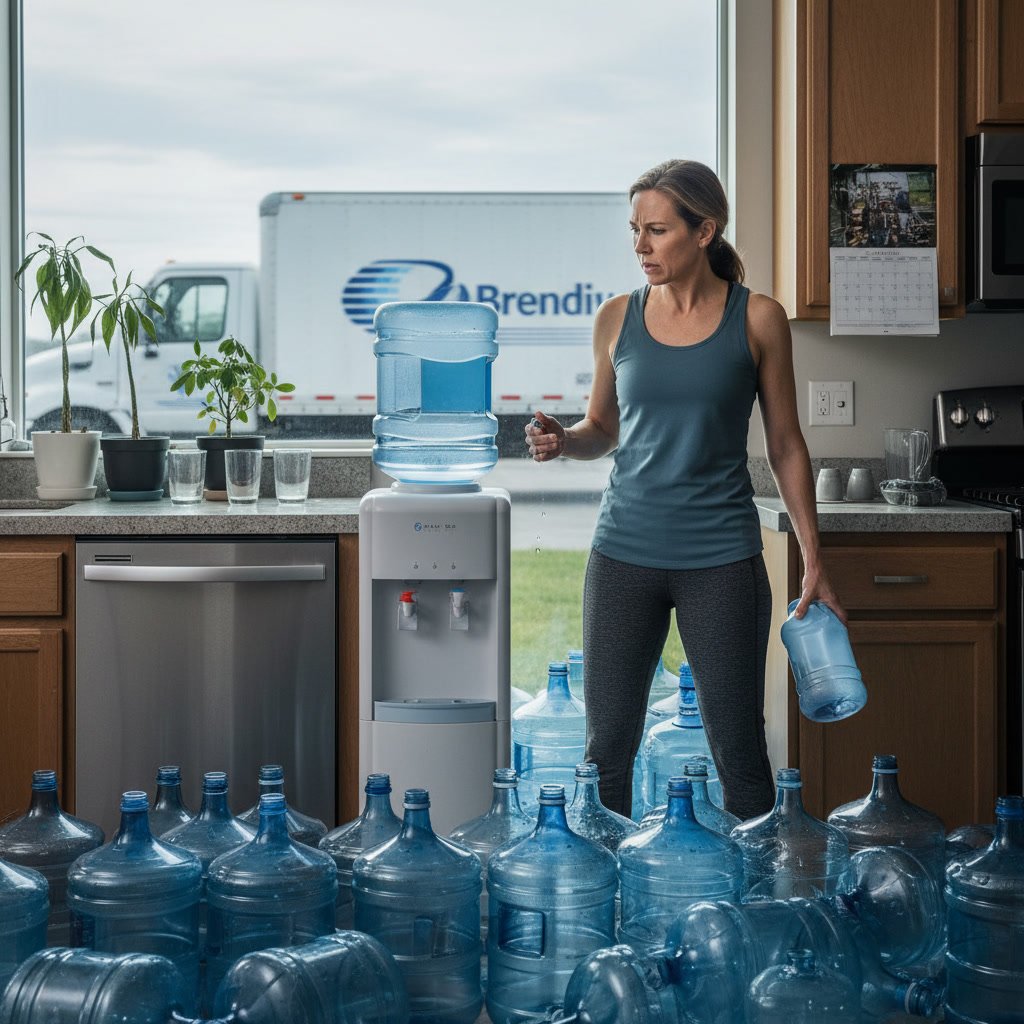
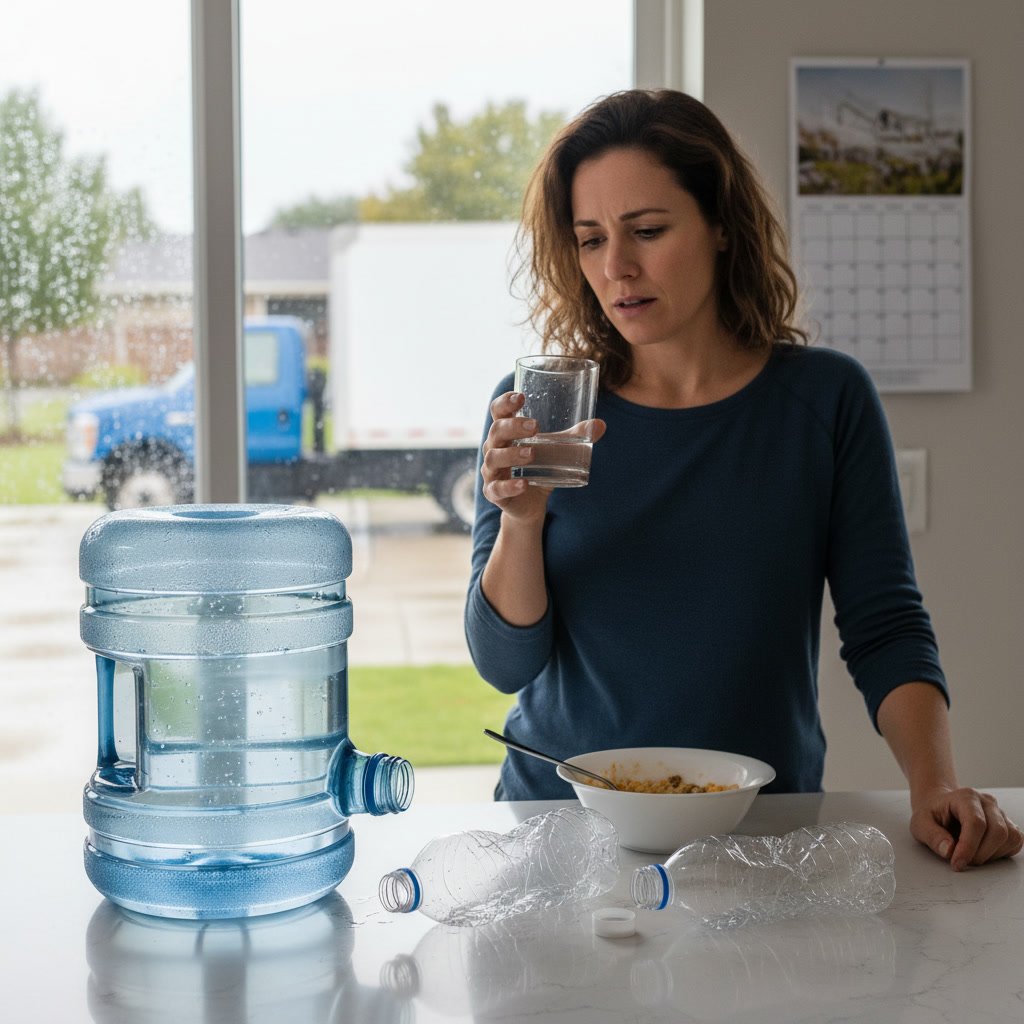
If you consistently run out of water days before your scheduled delivery or find yourself rationing bottles among family members, your water delivery frequency likely needs adjustment. Most households start with monthly deliveries, but changing circumstances like additional occupants, increased home time, or new health habits often require more frequent service. Recognizing these signs early prevents the inconvenience of running dry and ensures continuous access to clean drinking water.
Understanding Standard Delivery Schedules
Most water delivery services operate on a four-week cycle. This schedule works well for average households of two to three people with typical consumption patterns. A standard delivery might include four to six 5-gallon bottles, which translates to roughly 20 to 30 gallons of water per month.
The challenge arises when your household no longer fits that average profile. Seasonal changes, lifestyle shifts, and household composition all affect how quickly you go through your supply. When you first set up your account, the initial estimate is just that, an estimate based on general consumption data rather than your specific usage patterns.
Your Bottles Run Empty Before Delivery Day
The most obvious indicator you need more frequent deliveries is running out of water with three or more days left until your next scheduled drop-off. If this happens once, it might be an anomaly. A hot week, extra guests, or a temporary change in routine can spike consumption. But if you consistently run dry before your delivery date, your schedule no longer matches your needs.
Track when you place your last bottle on the cooler for three consecutive delivery cycles. If you consistently exhaust your supply more than 48 hours early, contact your provider to adjust the schedule. Many customers find that switching from four-week to three-week or even bi-weekly deliveries eliminates this problem entirely.
Your Household Size Has Changed in Las Vegas
When a new baby arrives, college students return home for the summer, or elderly parents move in, water consumption increases immediately. Each additional person typically adds 0.5 to 1 gallon of daily drinking water consumption. A household that grows from three to five people might need two to three extra 5-gallon bottles per month.
Remote work arrangements also dramatically affect usage patterns. If one or more household members now work from home instead of an office, they consume their daily water at your residence rather than elsewhere. This shift alone can increase household consumption by 30 to 50 percent. If you’ve recently transitioned to remote work, reassess your delivery needs accordingly.
You Notice Increased Health and Fitness Activities
Families that adopt new fitness routines, start athletic training programs, or simply become more health-conscious naturally drink more water. An adult engaged in moderate daily exercise needs an additional 12 to 16 ounces of water for every 30 minutes of activity. If multiple household members start working out regularly, this quickly adds up.
Similarly, if you’ve recently made the switch to healthier habits and reduced soda or juice consumption in favor of water, your household will go through bottles faster. This is a positive change for your health, but it requires adjusting your service schedule to match the new consumption rate.
Seasonal Temperature Spikes Affect Consumption
Desert climates experience dramatic temperature variations that directly impact hydration needs. During summer months when temperatures regularly exceed 100 degrees, water consumption can double compared to cooler seasons. Your body requires significantly more fluid to maintain proper hydration in extreme heat.
Rather than ordering extra bottles sporadically during hot months, consider increasing your delivery frequency from late spring through early fall. Some customers maintain a monthly schedule in winter but switch to bi-weekly deliveries from May through September. This approach ensures you never run short during the most critical hydration period.

Comparing Bottle Sizes and Usage Patterns
Not all water containers are created equal, and the bottle size you choose affects how often you need deliveries. Here’s how common options compare:
- 5-gallon bottles provide 640 ounces and typically last a single person 12 to 15 days with normal consumption
- 3-gallon bottles offer 384 ounces and work well for smaller households or offices with limited cooler space
- 1-gallon bottles deliver 128 ounces and suit grab-and-go needs but require more frequent restocking
If you consistently find yourself running through multiple large bottles faster than expected, you have two options. You can increase the number of bottles per delivery while maintaining your schedule, or you can keep the same bottle count but receive deliveries more frequently. The second option often works better because it ensures fresher water and reduces the storage space needed.
Your Office Consumption Has Increased
Offices face unique challenges with water consumption tracking. Employee count fluctuates with hiring, departures, and varying in-office schedules. A company that added even five new employees might see water usage jump by 15 to 25 gallons monthly, depending on whether those employees work on-site full-time.
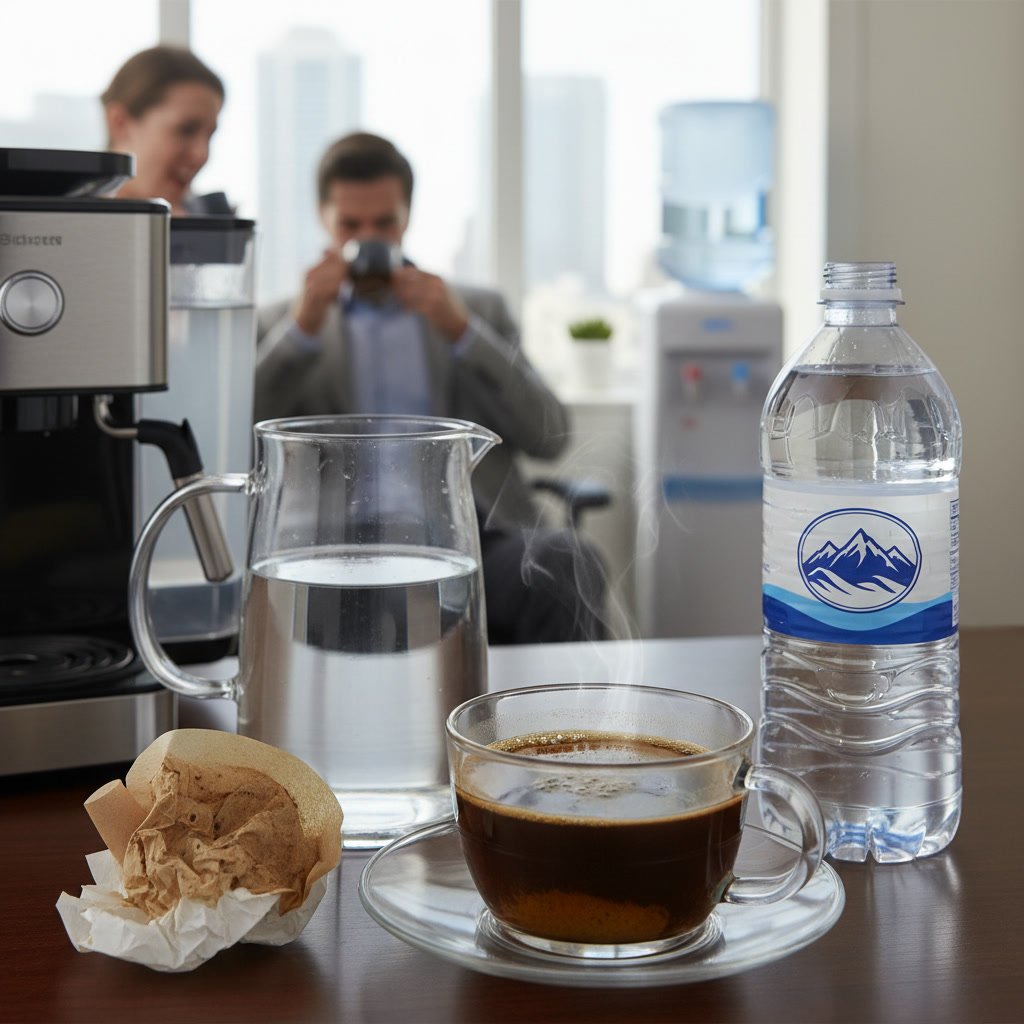
Conference rooms and client-facing areas also drive unexpected consumption. If your business has increased client meetings, training sessions, or all-hands gatherings, you’ll notice bottles depleting faster. For businesses offering both coffee service and water delivery, remember that coffee preparation also draws from your water supply.
You Keep Emergency Backup Bottles
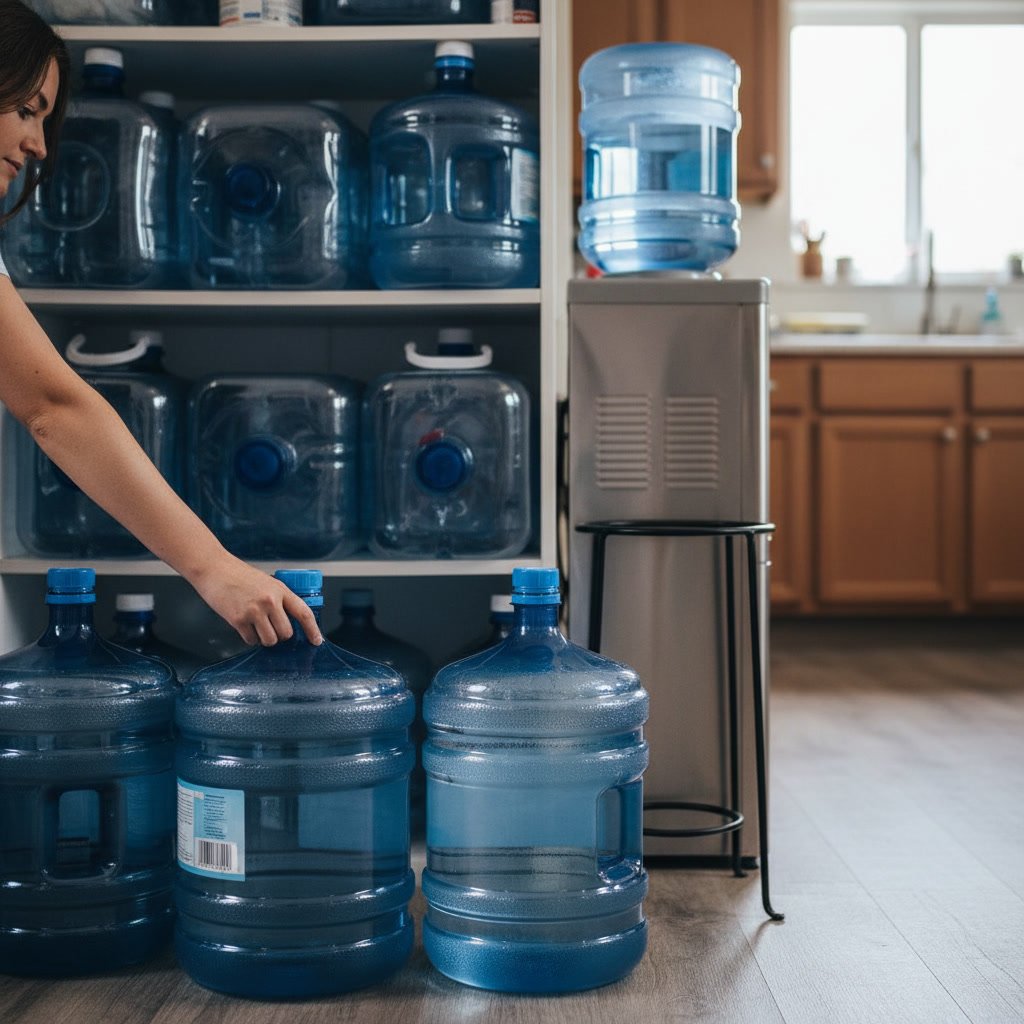
If you find yourself constantly maintaining a stockpile of backup bottles out of fear you’ll run dry, your delivery schedule is too infrequent. While having one or two extra bottles for true emergencies makes sense, regularly dipping into backup supply indicates a mismatch between delivery timing and actual consumption.
The purpose of scheduled delivery service is convenience and reliability. You shouldn’t need to hoard water or ration consumption between deliveries. If you’re treating every delivery cycle like a potential shortage, it’s time to increase frequency. Nevada Crystal Premium customers who adjust their schedules report significantly less stress and better hydration habits once they right-size their service.
Cost Considerations When Adjusting Schedules
Some customers hesitate to increase delivery frequency due to cost concerns, but the math often surprises them. More frequent deliveries don’t necessarily mean proportionally higher costs. You’re receiving the same total volume of water, just distributed over shorter intervals.
In fact, more frequent deliveries can actually reduce waste. When households run out of purified water, they often buy expensive single-use bottles from stores as a stopgap. These emergency purchases typically cost two to three times more per gallon than scheduled delivery service. By preventing those gaps, optimized delivery frequency often saves money in the long run.
Many providers also offer volume discounts that apply to your total monthly or quarterly consumption rather than per-delivery quantities. Understanding how water delivery pricing works helps you make informed decisions about frequency adjustments without unnecessary cost anxiety.
Water Type Preferences and Rotation
Households that enjoy variety in their water choices sometimes find their consumption increases simply because they have more appealing options available. If you’ve recently started ordering alkaline water or electrolyte water alongside your regular supply, you might notice bottles disappearing faster than when you had just one type.
This isn’t wasteful, it’s actually beneficial. When people enjoy the taste and variety of their drinking water, they naturally stay better hydrated. Different family members often gravitate toward different water types. Having adequate supply of each preferred variety encourages everyone to drink sufficient water rather than reaching for less healthy alternatives.
Making the Most of Your Adjusted Schedule
Once you recognize the signs and decide to adjust your service, the transition should be straightforward. Most delivery services allow schedule modifications with just a phone call or online account update. When making the change, consider starting with a slightly more frequent schedule than you think necessary.
It’s easier to dial back from bi-weekly to every three weeks if you find you have excess than to constantly run short with a schedule that’s still too infrequent. Track your consumption for two full cycles on the new schedule, then fine-tune as needed. Keep notes about special circumstances that spike usage, like house guests or holiday gatherings, so you can request temporary extra deliveries rather than permanently over-ordering.
The key insight many long-term customers discover is that water consumption is not static. Your optimal delivery frequency this season might differ from what you need six months from now. The best approach treats your delivery schedule as a flexible tool that adapts to your changing needs rather than a fixed commitment you must work around.
Ensuring Continuous Access to Fresh Water
Running out of clean drinking water before your next scheduled delivery creates unnecessary inconvenience and often leads to purchasing expensive alternatives. The signs discussed here, from pre-delivery shortages to household changes and seasonal variations, all point to a simple solution that better matches supply to demand.
Nevada Crystal Premium has served the community for over 12 years by helping customers find the right balance between delivery frequency and consumption needs. Whether you need spring water, purified options, or specialized formulations, adjusting your schedule ensures you never compromise on hydration or convenience.
If you’ve noticed any of these signs in your home or office, reach out to discuss your delivery options. Call +17028920535 to speak with a customer service representative who can help you adjust your schedule, modify bottle quantities, or answer questions about finding the perfect delivery frequency for your specific situation.