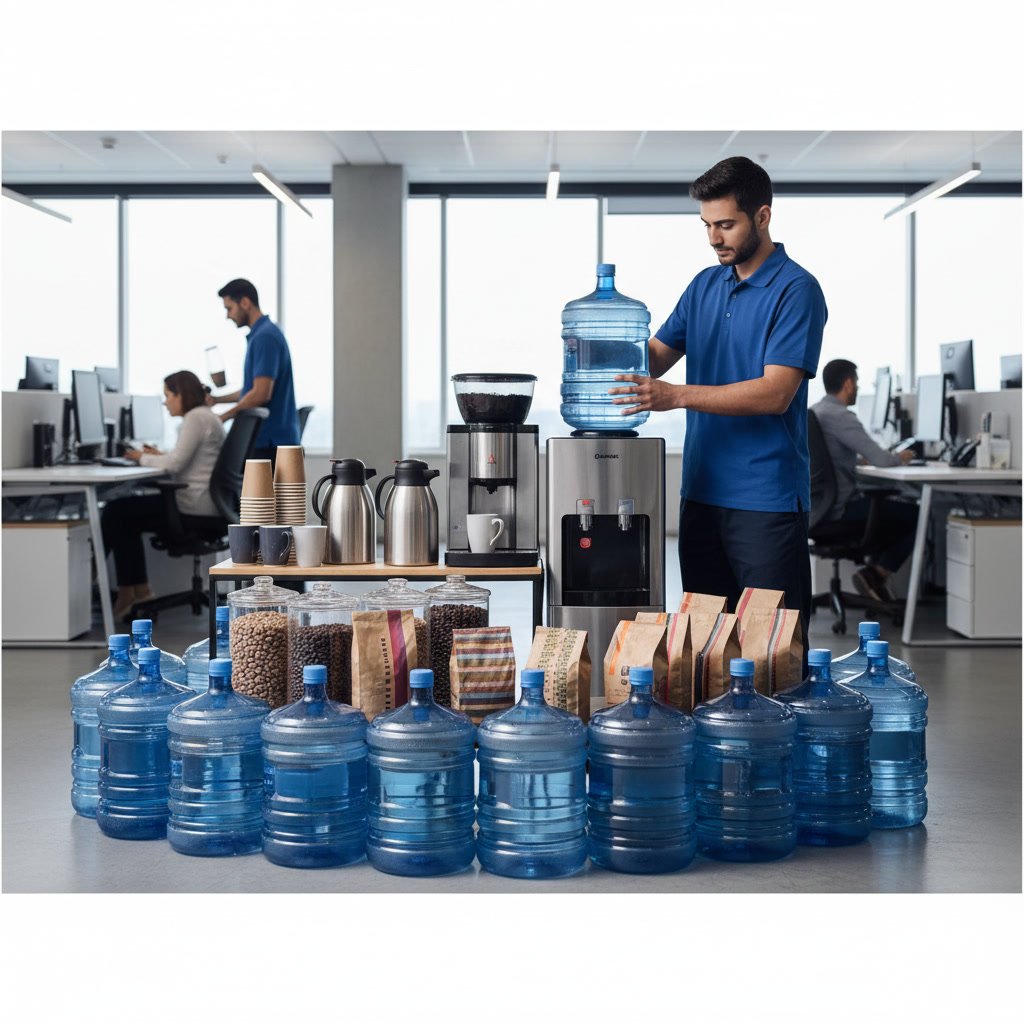
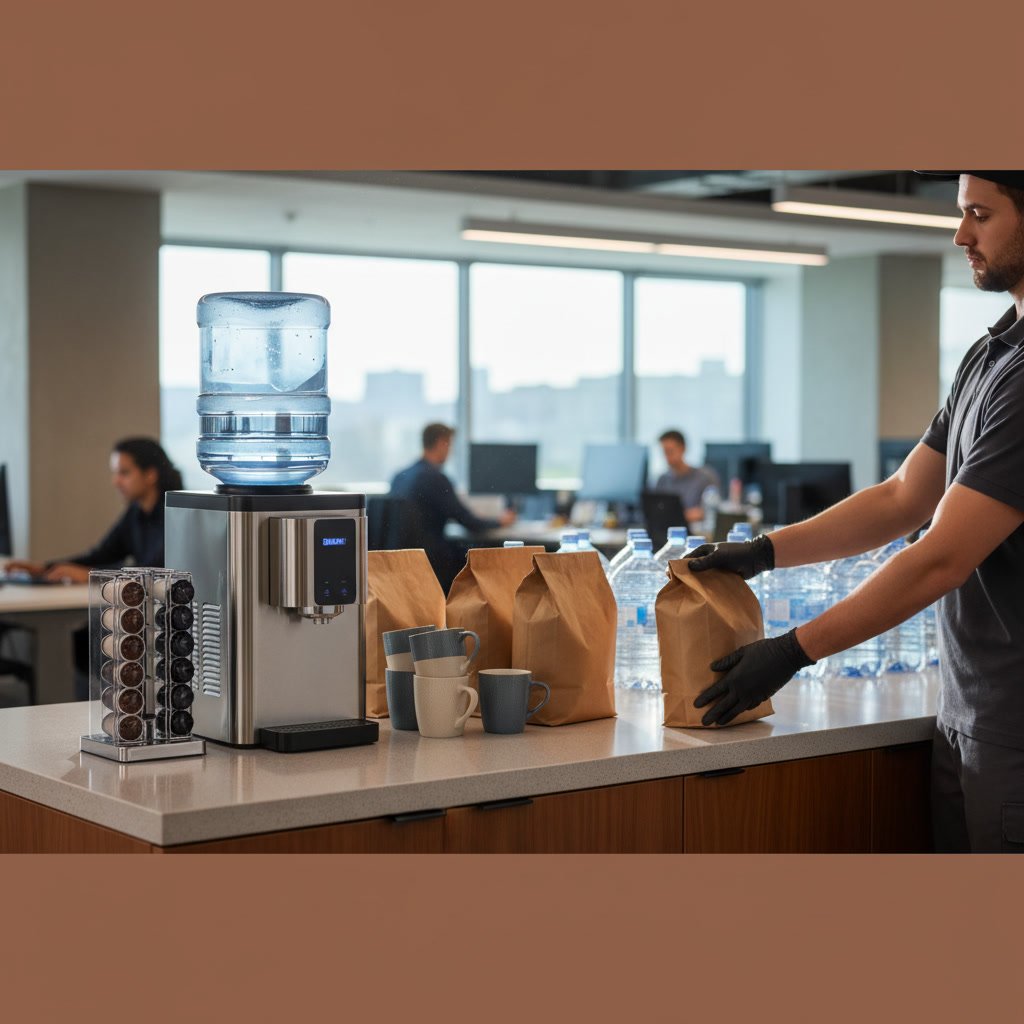
Your office coffee tastes burnt, weak, or just plain wrong. You have a water cooler, decent equipment, but the coffee still disappoints. The problem often isn’t your brewer or your water source. It’s the coffee itself and how it pairs with your setup. This guide shows you how to choose the right coffee for your office water cooler setup, covering everything from roast profiles to water quality, brewing methods, and why office coffee delivery services make sense for busy Las Vegas workplaces.
Why Your Coffee Choice Matters More Than You Think
Most offices buy coffee based on price or convenience, not compatibility with their water and equipment. This creates mediocre results even when you invest in quality coolers and brewers.
The coffee you choose interacts directly with your water chemistry. Las Vegas tap water has a total dissolved solids (TDS) level around 250-400 parts per million, which affects extraction and flavor. If you’re using purified water from your cooler setup, you’re starting with a cleaner slate, but you still need coffee that works with lower mineral content.
The right office coffee delivery setup considers three core factors: your water source, your brewing equipment, and your team’s taste preferences. Get one wrong, and even premium beans will taste disappointing.
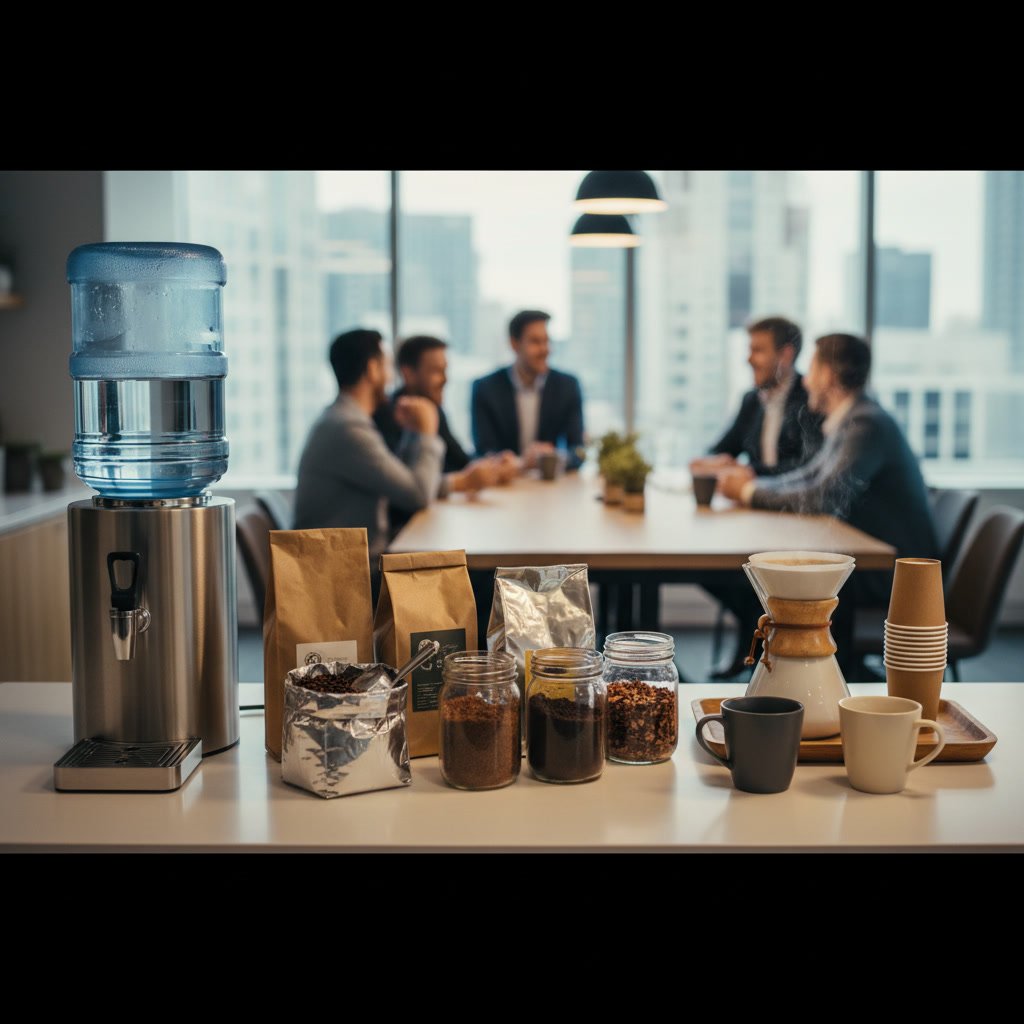
Understanding Coffee Roast Levels for Office Brewing
Roast level determines flavor intensity, caffeine content, and how coffee reacts to different water types. Most office environments benefit from medium to medium-dark roasts because they balance flavor with consistency.
Light Roasts
Light roasts preserve origin flavors and have higher acidity. They work well with mineral-rich water but can taste thin or sour when brewed with highly purified water. If your office uses alkaline water or purified water with minimal minerals, light roasts often underperform.
Light roasts also require precise brewing temperatures (195-205°F) and proper extraction times. Standard office drip machines often can’t hit these parameters consistently, making light roasts risky for office settings.
Medium Roasts
Medium roasts offer the best balance for office coffee delivery programs. They’re forgiving across different water types, work with standard drip brewers, and appeal to the widest range of preferences.
These roasts maintain enough origin character to taste interesting while developing body and sweetness that comes through even when coffee sits on a hot plate. If you’re unsure what your team prefers, start here.
Dark Roasts
Dark roasts minimize acidity and emphasize roasted, chocolatey notes. They’re the most forgiving choice if your office water quality varies or if you’re still using tap water instead of cooler water for brewing.
The downside is that dark roasts can taste bitter or burnt if over-extracted, which happens easily in offices where brew times aren’t monitored. They also lose complexity faster after opening, so only order what you’ll use within two weeks.
Pro Tip: If half your office wants bold coffee and half wants smooth, buy two medium roasts with different processing methods rather than one light and one dark. A washed process and a natural process at the same roast level gives variety without the brewing complications.
How Water Quality Affects Your Office Coffee
Water makes up 98% of brewed coffee. Your cooler water quality directly impacts extraction, flavor clarity, and consistency. This is where many offices that focus only on bean quality miss the mark.
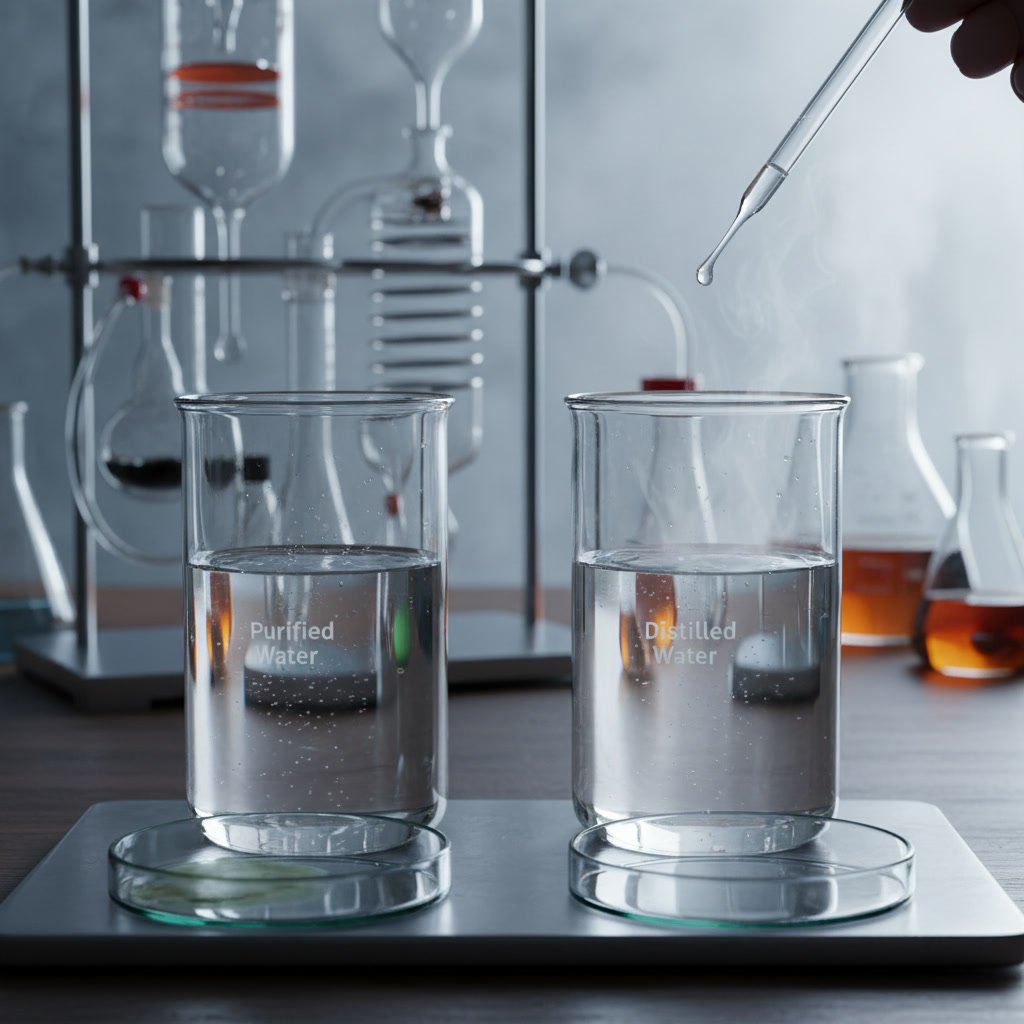
Purified water from your cooler system typically has TDS between 50-150 ppm, depending on your filtration method. This range works well for coffee, but you need slightly different approaches than you would with mineral-rich tap water.
Purified vs Spring Water for Coffee
Purified water gives you control and consistency, but very low mineral content can produce flat-tasting coffee. Some minerals, especially calcium and magnesium, help extract flavor compounds from coffee grounds. If you’re comparing different water types for both drinking and brewing, our guide on spring water vs purified water breaks down the differences.
Spring water contains natural minerals that can enhance coffee flavor, but mineral content varies by source. Test your current water with your preferred coffee before committing to large orders.
Electrolyte and Alkaline Water for Brewing
Some offices wonder whether electrolyte water or alkaline options work for coffee brewing. Generally, these are better reserved for drinking.
Alkaline water (pH above 8) can under-extract coffee, producing weak, bland results. Electrolyte water works better but costs more than necessary for brewing purposes. Save these premium options for your cooler drinking supply and use standard purified water for coffee.
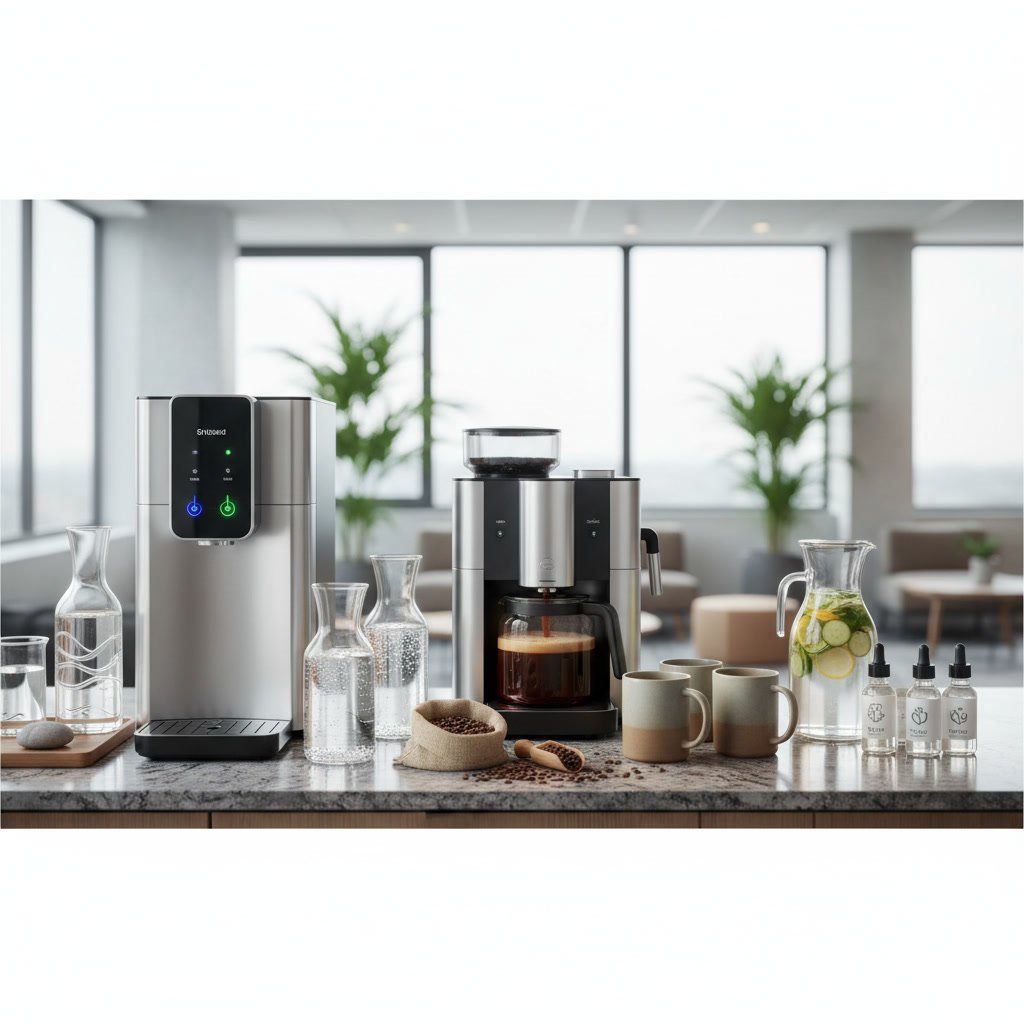
Matching Coffee to Your Brewing Equipment
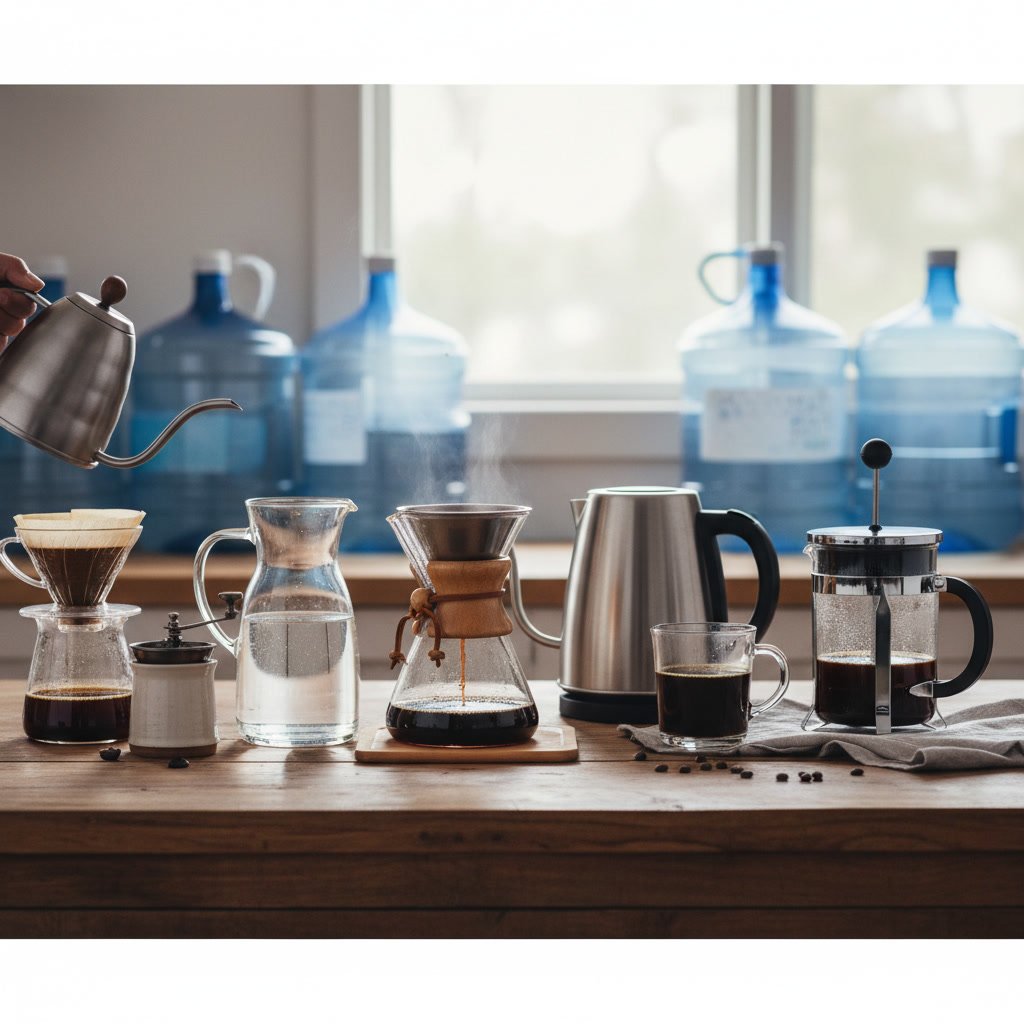
Your office brewing equipment determines grind size, extraction time, and consistency. The coffee you order through office coffee delivery must match your specific brewer type.
Standard Drip Coffee Makers
Most offices use automatic drip brewers with 8-12 cup capacity. These machines work best with medium grind coffee and medium roast profiles. Brew time runs 5-7 minutes, and water temperature typically reaches 190-200°F.
Order pre-ground coffee in medium grind unless someone on your team will grind fresh beans daily. Whole beans stay fresh longer but add a preparation step that busy offices often skip, leading to inconsistent results.
Single-Serve Pod Systems
Pod systems offer convenience but limit your coffee choices to what’s available in compatible pods. Quality varies significantly across brands. If you’re committed to pods, source them from roasters who package their own rather than generic office supply pods.
Water quality still matters with pods. Using cooler water instead of tap water improves flavor noticeably even with the same pods.
Commercial Batch Brewers
Larger offices with commercial brewers can handle higher volumes and maintain better temperature control. These setups justify investing in fresher, higher-quality coffee since the equipment can properly showcase it.
Commercial brewers pair well with medium-light roasts and slightly coarser grinds. These machines extract more evenly and maintain proper temperature throughout the brew cycle.
Finding the Right Coffee Supplier for Las Vegas Offices
Choosing where to source your coffee matters as much as which coffee you choose. Office coffee delivery services should provide consistency, flexibility, and quality without requiring constant attention from your team.
Look for suppliers who understand the relationship between water quality and coffee. Coffee delivery paired with your water service ensures both elements work together rather than fighting each other.
Local suppliers often provide fresher coffee than national chains because they roast in smaller batches and deliver more frequently. For Las Vegas offices, working with a local provider also means faster response times when you need to adjust orders or troubleshoot flavor issues.
Key Takeaway: Schedule coffee deliveries to align with your water delivery cycle. This simplifies logistics and ensures you never run out of either essential supply simultaneously.
How Much Coffee Your Office Actually Needs
Ordering the right quantity prevents waste and ensures freshness. Coffee quality degrades significantly after two weeks once opened, even when stored properly.
The average office worker who drinks coffee consumes 2-3 cups per day. A 12-cup pot yields about 10 actual servings (based on 8-ounce cups). You’ll need roughly 0.5 pounds of ground coffee per pot.
For a 20-person office where 15 people drink coffee, expect to brew 3-4 pots daily. That’s 1.5-2 pounds per day, or 7.5-10 pounds per week. Order in two-week supplies (15-20 pounds) to balance freshness with convenience.
Track usage for a month before committing to regular office coffee delivery schedules. Consumption often varies by season, with higher intake during colder months and Monday through Wednesday.
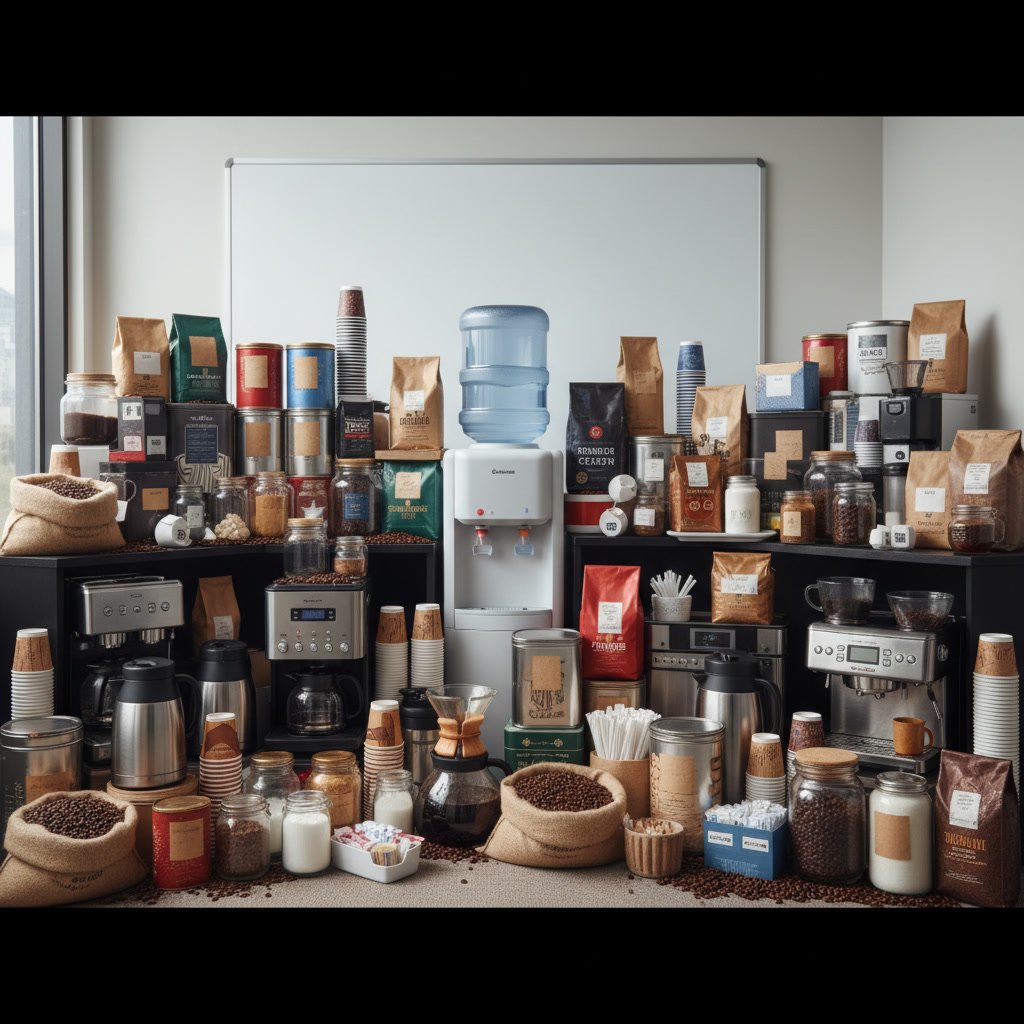
Storage and Freshness Best Practices
Even the best office coffee delivery service can’t overcome poor storage. Coffee is hygroscopic, meaning it absorbs moisture and odors from its environment. Las Vegas’s dry climate helps, but you still need proper handling.
Store unopened bags in a cool, dark cabinet away from your water cooler and any heat sources. Once opened, transfer coffee to an airtight container and use within 10-14 days. Don’t refrigerate or freeze coffee in an office setting. Temperature fluctuations create condensation that degrades flavor.
Label containers with opening dates so team members know when coffee is past its prime. Stale coffee wastes money and frustrates employees who expect better.
Testing and Adjusting Your Office Coffee Program
Start with sample sizes before committing to large orders. Most office coffee delivery services offer trial periods or smaller initial shipments.
Conduct informal taste tests with your team. Brew the same coffee with tap water and with your cooler water to demonstrate the difference water quality makes. This helps justify any additional investment in premium water alongside better coffee.
Adjust based on feedback, but don’t try to please everyone perfectly. Choose one primary coffee that satisfies most preferences and optionally offer a decaf alternative. Running more than two options simultaneously adds complexity that most offices can’t maintain consistently.
Monitor usage patterns monthly. If you’re dumping full pots at day’s end, you’re ordering too much or brewing too frequently. If pots empty within 30 minutes and people complain about availability, increase your order.
Cost Considerations for Office Coffee Delivery
Office coffee delivery costs break down into coffee price, delivery fees, and equipment rental if applicable. Quality coffee runs $12-18 per pound wholesale, with delivery adding $5-15 per shipment depending on frequency and volume.
Calculate cost per cup rather than cost per pound. Premium coffee at $16 per pound yields roughly 45 cups, or $0.36 per cup. Generic office coffee at $8 per pound that nobody drinks costs more per satisfying cup consumed.
Bundling coffee with your bottled water delivery often reduces overall delivery fees and simplifies billing. Single-vendor solutions also make reordering and troubleshooting easier than coordinating multiple suppliers.
Budget for equipment maintenance or replacement. Coffee makers in office environments need descaling every three months and full replacement every 2-3 years depending on usage intensity.
Frequently Asked Questions
What type of coffee works best with purified water from office coolers?
Medium roast coffee with balanced acidity works best with purified water. Purified water has lower mineral content than tap water, so coffees that are too light can taste thin or sour. Medium roasts provide enough body and developed flavors to produce satisfying results even with minimal minerals in the water.
How often should offices receive coffee deliveries?
Most offices benefit from coffee deliveries every two weeks. This frequency balances freshness with convenience, since coffee quality drops noticeably after 14 days once opened. Larger offices may need weekly deliveries, while smaller teams can sometimes stretch to monthly if they order in smaller bag sizes that get used quickly.
Can I use the same water for coffee that employees drink from the cooler?
Yes, the same purified or spring water that employees drink works well for brewing coffee. In fact, using cooler water instead of tap water typically improves coffee flavor significantly. Just avoid using alkaline water or specialty electrolyte water for brewing, as these can affect extraction and produce inconsistent results.
Should offices buy whole bean or pre-ground coffee?
Pre-ground coffee makes more sense for most offices unless someone is specifically responsible for grinding beans daily. Whole beans stay fresh slightly longer but add an extra step that busy teams often skip, leading to inconsistent preparation. Medium-grind coffee ordered in two-week quantities provides the best balance of convenience and quality.
How much does office coffee delivery typically cost in Las Vegas?
Quality office coffee delivery in Las Vegas typically costs $12-18 per pound for coffee plus $5-15 delivery fees per shipment. A 20-person office using 15-20 pounds every two weeks should budget $200-300 monthly for coffee. Bundling with water delivery often reduces these costs by eliminating separate delivery fees.
Setting Up Your Office Coffee and Water Program
The right office coffee delivery program pairs quality beans with quality water, matches coffee to your brewing equipment, and delivers on a schedule that ensures freshness without requiring constant attention from your team. Start with medium roast coffee and purified cooler water, then adjust based on actual usage and team feedback.
Nevada Crystal Premium serves Las Vegas offices with both coffee and water delivery, making it simple to coordinate both essentials through a single local provider. Our team understands how water quality affects coffee flavor and can help you choose options that work together for better break room results.
Contact us at +17028920535 to discuss office coffee delivery options paired with our water service, or visit our Las Vegas location at 6185 S. Valley View Blvd., Suite H to learn more about setting up delivery for your workplace.