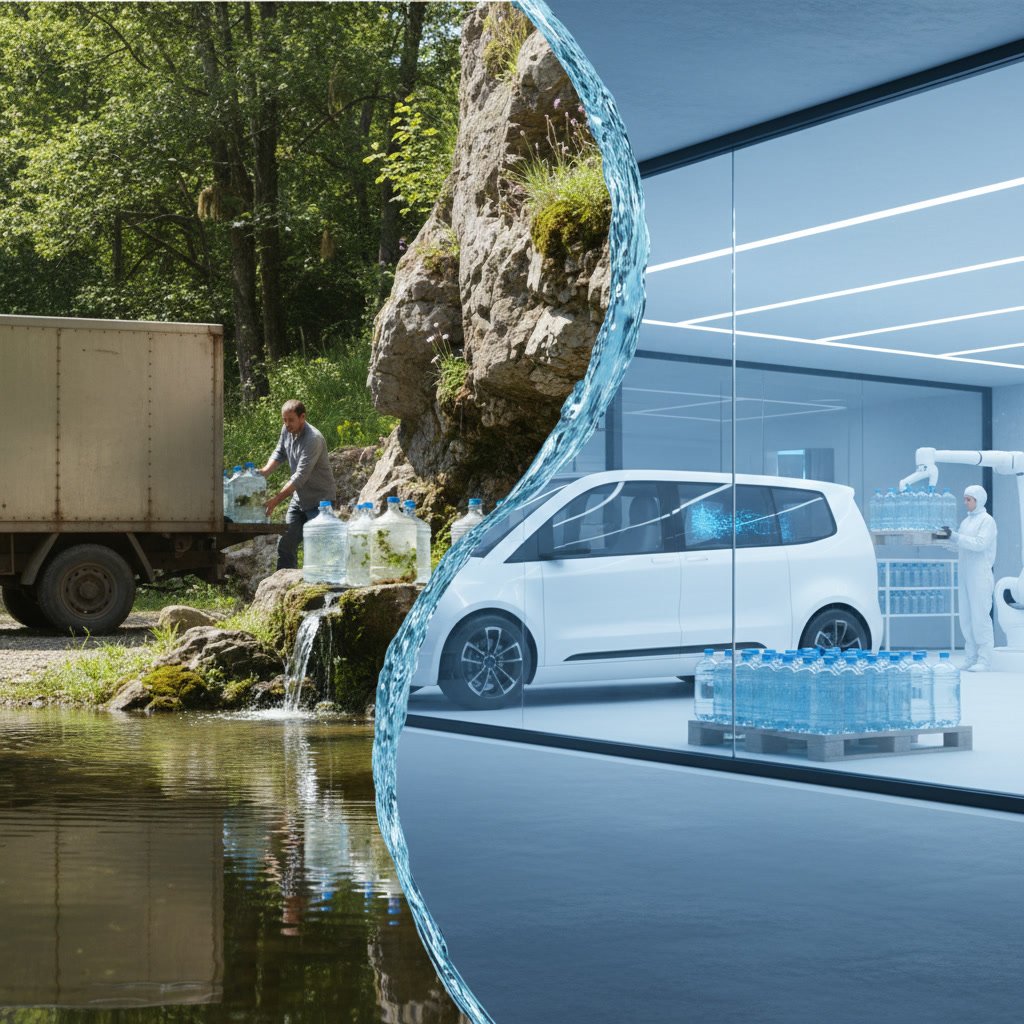
You reach for a glass of water dozens of times a day, but do you know what’s really in it? The debate between spring water vs purified water is more than just marketing labels on bottles. These two types of drinking water differ significantly in how they’re sourced, processed, and what they deliver to your body. Understanding these differences helps you make the right choice for your home, office, or health goals.
This guide breaks down everything you need to know about spring and purified water, from where each type comes from to how processing affects taste and mineral content. By the end, you’ll know which option suits your needs and why thousands of Las Vegas residents trust professional water delivery for consistent quality.
What Makes Spring Water Different
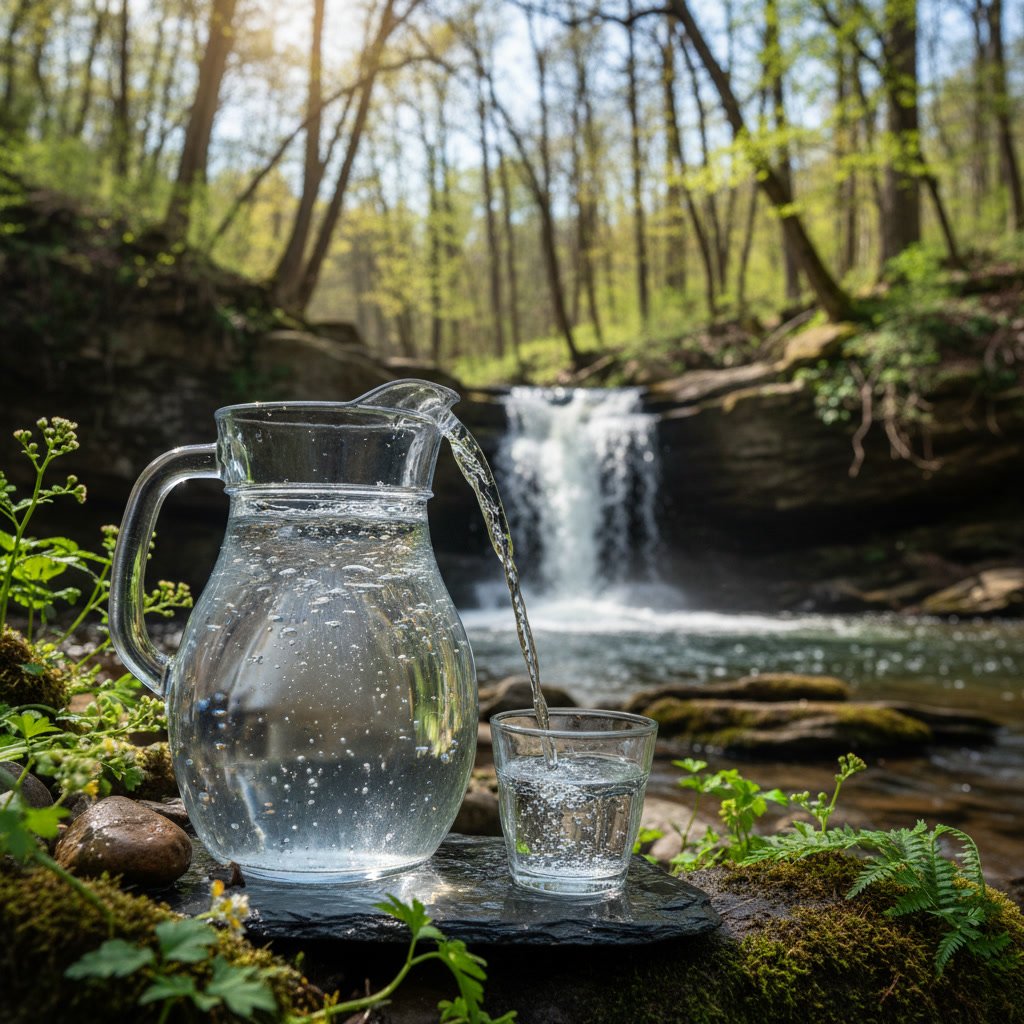
Spring water comes from underground formations where water flows naturally to the earth’s surface. By law, it must be collected at the spring source or through a borehole that taps the underground formation feeding the spring. This natural journey through rock and soil gives spring water its characteristic mineral content.
The minerals in spring water vary based on the geology of its source. Common minerals include calcium, magnesium, potassium, and trace amounts of sodium. These naturally occurring minerals give spring water its distinct taste, which many people prefer over other water types.
Unlike processed waters, spring water undergoes minimal treatment. Bottlers typically use filtration to remove debris and may apply ozonation or UV light for safety, but the goal is to preserve the water’s natural characteristics. The FDA requires that spring water be bottled at the source to maintain its integrity.
Because spring water retains its mineral content, it often has a fuller, more complex flavor profile than highly processed alternatives. Some people describe it as tasting fresher or more natural, though taste preferences vary widely among individuals.
How Purified Water Is Made
Purified water starts as tap water or groundwater and undergoes extensive treatment to remove virtually all dissolved solids, minerals, and contaminants. The purification process can include several stages, each designed to eliminate specific impurities.
A comprehensive purification system typically includes reverse osmosis, which forces water through a semi-permeable membrane that blocks particles, bacteria, and dissolved minerals. Additional steps like carbon filtration remove chlorine and organic compounds, while UV light treatment kills any remaining microorganisms.
At Nevada Crystal Premium, our purified water goes through a 6-step process including water softening, three-stage reverse osmosis, carbon filtration, micro-carbon filtration, UV light treatment, and ozonation. This thorough approach ensures every bottle meets stringent purity standards.
The result is water with total dissolved solids (TDS) typically below 10 parts per million. For comparison, tap water in many cities has TDS levels between 200 and 400 ppm. This near-complete removal of minerals and impurities creates a neutral, clean taste that many describe as pure or crisp.
The Role of Reverse Osmosis
Reverse osmosis stands as the cornerstone of most purification systems. This process removes up to 99% of dissolved salts, particles, organics, bacteria, and pyrogens from water. The technology was originally developed for desalination but has become the gold standard for producing high-purity drinking water.
The process works by applying pressure to push water through a membrane with pores approximately 0.0001 microns in size. This is small enough to block nearly everything except water molecules themselves, resulting in exceptionally clean water.
Comparing Mineral Content and Health Benefits
The spring water vs purified debate often centers on mineral content. Spring water naturally contains minerals like calcium and magnesium, which contribute to daily nutritional intake. A liter of mineral-rich spring water might provide 10-30% of your daily calcium needs, though amounts vary by source.
Purified water, by contrast, has had these minerals removed during processing. Some people worry this makes it less healthy, but the reality is more nuanced. Most people get the vast majority of their minerals from food, not water. The minerals in water are a bonus, not a requirement for good health.
For individuals who need to control their mineral intake due to kidney issues or other health conditions, purified water offers precise control. You know exactly what you’re getting: pure H2O without variables. This consistency matters for specific dietary requirements.
Pro Tip: If you prefer purified water but want minerals, consider electrolyte water or alkaline water, which add back specific minerals in controlled amounts for taste and potential benefits.
Neither type of water is inherently healthier for most people. The best water is the one you’ll drink enough of to stay properly hydrated. If you prefer the taste of spring water and it encourages you to drink more, that’s the healthier choice for you. The same applies if you prefer the clean taste of purified water.
Taste Differences That Matter
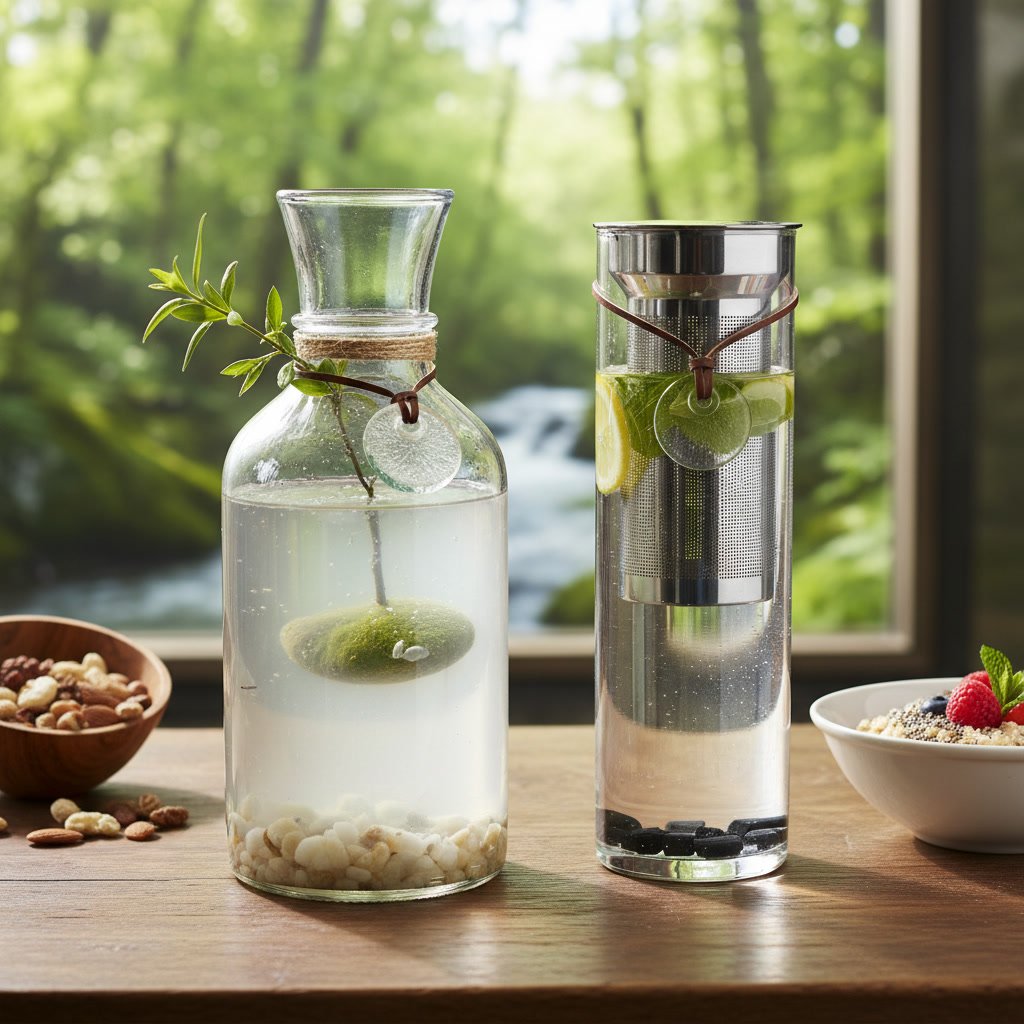
Taste drives many people’s choice in the spring water vs purified discussion. Spring water’s mineral content creates a more complex flavor profile. Depending on the source, it might taste slightly sweet, smooth, or even have a faint mineral note. These characteristics come from dissolved calcium, magnesium, and other naturally occurring compounds.
Purified water tastes neutral and clean because it lacks dissolved minerals. Some people describe it as flat or too clean, while others appreciate this pure, simple taste. The absence of minerals means there’s nothing to interfere with the water’s natural flavor, which is essentially no flavor at all.
Your local tap water quality influences your perception of both types. If you’re used to heavily chlorinated municipal water, purified water will taste dramatically different and better. If you’ve always had good-tasting tap water, you might not notice as much difference.
Temperature also affects taste perception. Both spring and purified water taste best when served cold, between 35 and 50 degrees Fahrenheit. This is why professional bottled water delivery services often include cooler rentals to keep your water at the optimal temperature.
Safety and Purity Standards
Both spring and purified water must meet strict FDA regulations for bottled water. These standards often exceed EPA requirements for tap water, covering everything from source protection to bottling procedures. Safety isn’t a significant differentiator between the two types when sourced from reputable suppliers.
Spring water safety depends heavily on source protection. Bottlers must monitor the spring and surrounding land to prevent contamination. Regular testing ensures the water meets safety standards for bacteria, chemicals, and other potential contaminants.
Purified water’s extensive processing removes nearly all potential contaminants, making it extremely safe. The multi-stage purification process eliminates bacteria, viruses, heavy metals, pesticides, and pharmaceutical residues that might be present in the source water.
For immunocompromised individuals or those with specific health concerns, purified water offers an extra measure of safety. The thorough processing leaves virtually nothing behind that could pose a health risk, providing peace of mind along with hydration.
Testing and Quality Control
Reputable water delivery companies test their products regularly, often more frequently than required by law. These tests check for microbial contamination, chemical pollutants, and verify that the water meets label claims about its type and purity.
When choosing a water supplier, ask about their testing protocols and certification. Companies serving the Las Vegas area for over a decade, like Nevada Crystal Premium, maintain rigorous quality standards through consistent testing and process improvements.
Environmental and Practical Considerations
From an environmental standpoint, both water types require energy and resources to bottle and deliver. However, using a local water delivery service with reusable 5-gallon bottles creates far less plastic waste than buying single-use bottles from the store.
Spring water requires protecting natural spring sources and the surrounding watershed. This land management has environmental benefits, preserving natural areas from development and pollution. However, it also means spring water sources are finite and geographically limited.
Purified water can be produced anywhere there’s a water source and electricity to run the purification equipment. This flexibility means it’s often more readily available and can be produced closer to where it’s consumed, potentially reducing transportation impacts.
Cost-wise, both types are typically priced similarly when delivered in multi-gallon bottles. The processing costs of purification roughly equal the sourcing and transport costs of spring water. Your choice won’t significantly impact your water budget when ordering through a delivery service.
Which Water Type Is Right for You
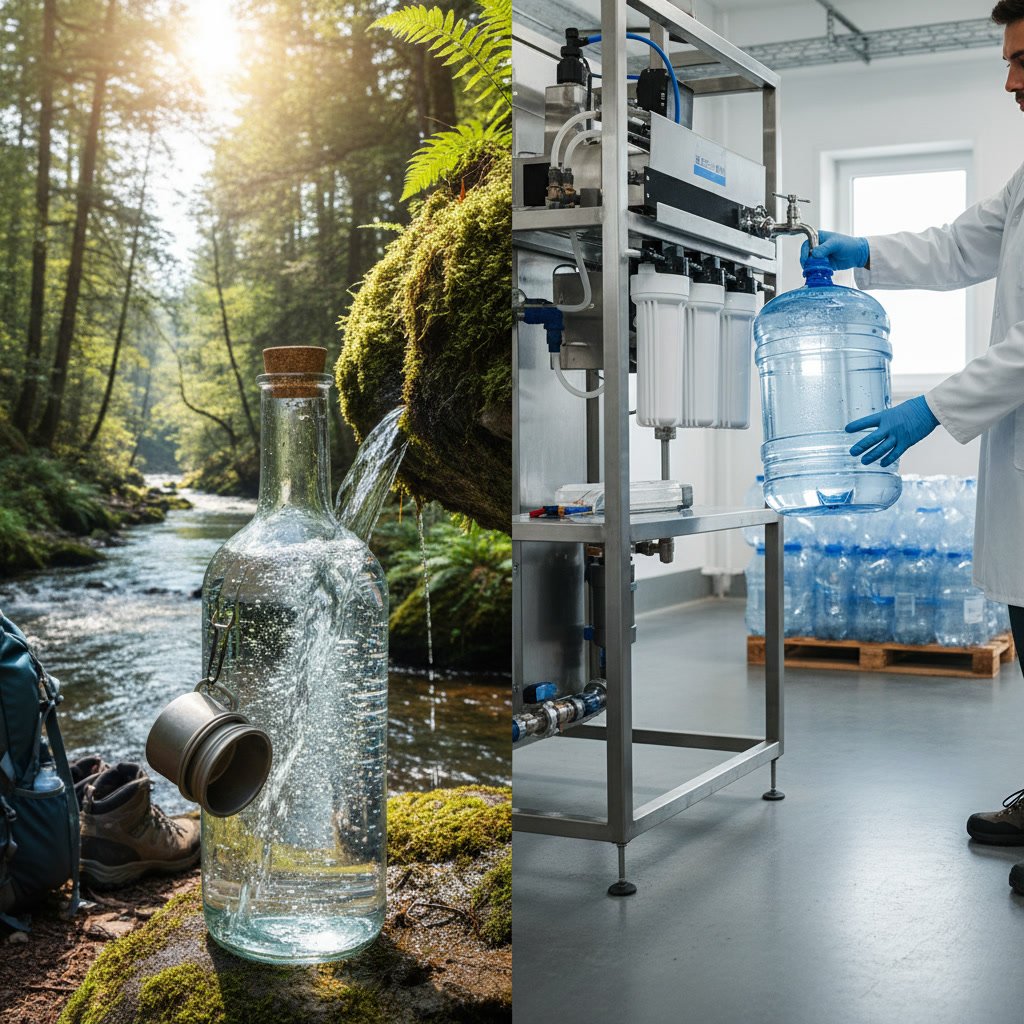
Choosing between spring water vs purified comes down to personal preference and specific needs. If you enjoy the taste of minerals and want water that’s minimally processed, spring water is an excellent choice. Its natural mineral content and characteristic taste appeal to many people.
If you prefer a completely neutral taste or have health conditions that require controlling mineral intake, purified water makes more sense. Its consistency and purity give you exactly what you expect every time, with no variables based on seasonal source changes.
Many households and offices find value in having both options available. A water delivery service that offers multiple water types lets different family members or employees choose their preference. This is particularly useful when some people prefer spring water while others want purified, electrolyte, or alkaline options.
Consider trying both types if you haven’t already. Most water delivery services allow you to switch between water types with each delivery. Setting up home water delivery service gives you the flexibility to experiment and find what works best for your household.
Think About Your Usage Patterns
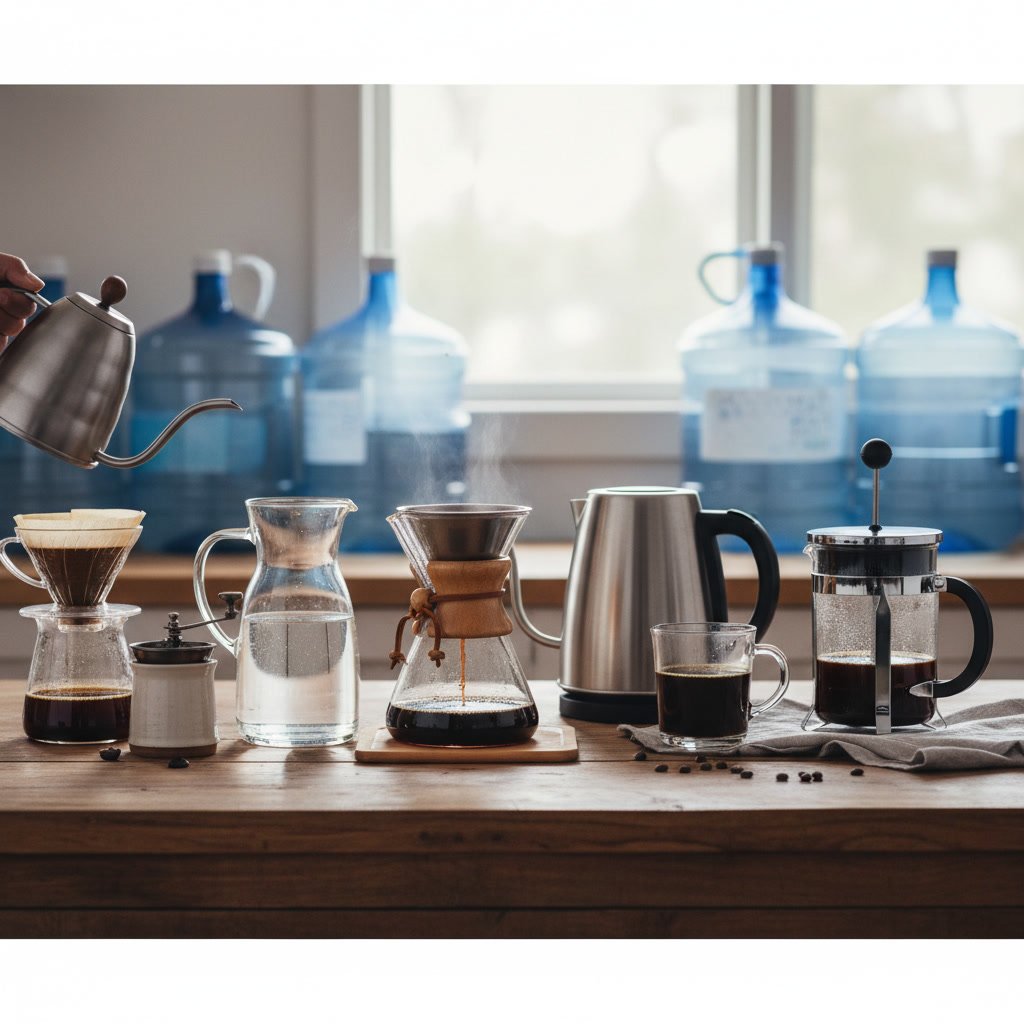
How you use water matters too. Some people prefer spring water for drinking straight but like purified water for coffee and tea because its neutral taste doesn’t interfere with flavors. Others find that spring water enhances their coffee experience with its mineral content.
If you’re considering the cost factor, check out information about water delivery costs in Las Vegas to understand pricing for different water types and delivery schedules.
Frequently Asked Questions
Is spring water or purified water better for making coffee?
This depends on personal preference. Purified water’s neutral taste won’t affect your coffee’s flavor, letting the beans’ characteristics shine through. Spring water’s minerals can enhance body and flavor complexity, though results vary by source and coffee type. Many coffee enthusiasts prefer water with some mineral content, typically 50-150 ppm TDS, which falls between highly purified and high-mineral spring water.
Does purified water leach minerals from your body?
No, this is a persistent myth without scientific support. Purified water doesn’t pull minerals from your body any more than spring water does. Your body regulates mineral balance through food intake and kidney function, not the mineral content of drinking water. Both water types hydrate you equally well without affecting your body’s mineral stores.
Can you taste the difference between spring and purified water?
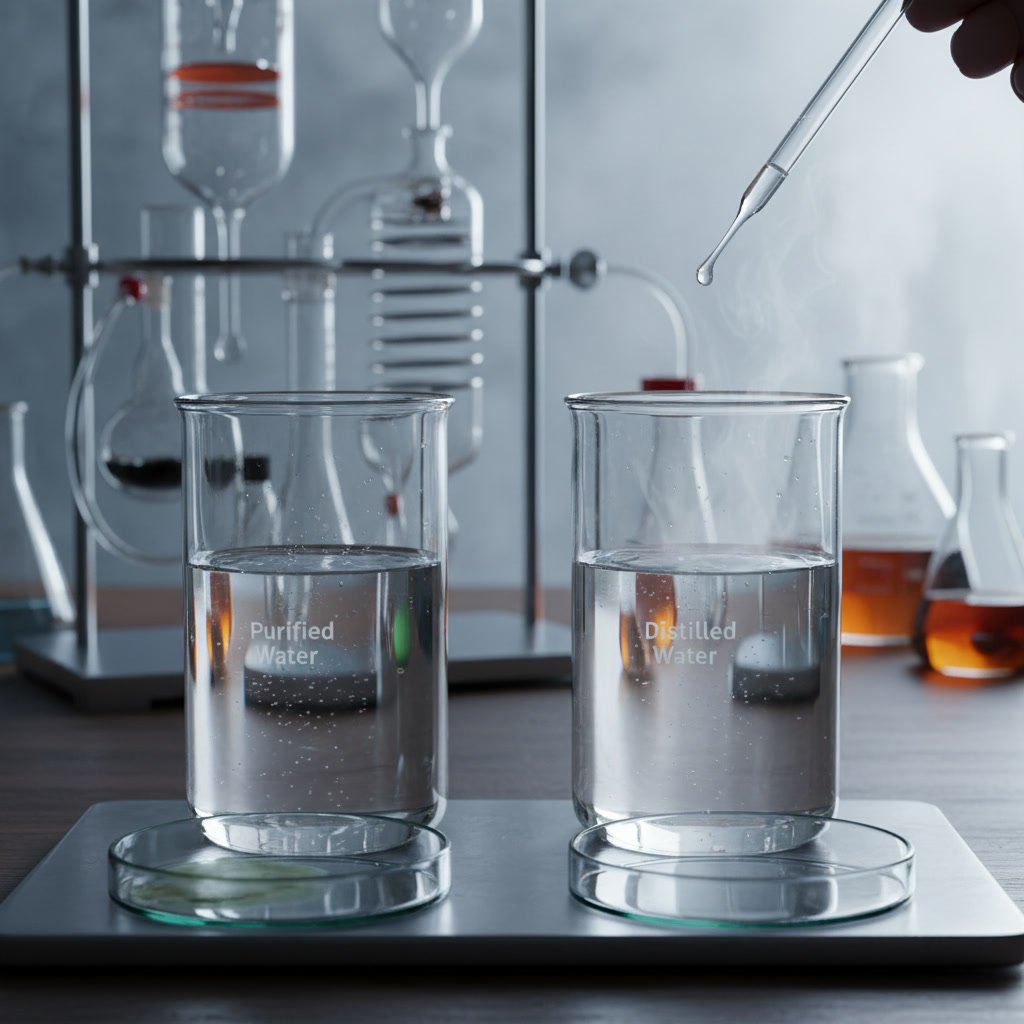
Most people can taste the difference in a side-by-side comparison. Spring water typically has a fuller, slightly mineral taste, while purified water tastes very clean and neutral. However, taste sensitivity varies widely among individuals, and factors like temperature and what you’ve eaten recently affect perception.
Which type of water is safer for babies and children?
Both are safe when sourced from reputable suppliers. Purified water is often recommended for mixing infant formula because its low mineral content prevents over-concentration of minerals in prepared formula. For older children drinking water directly, either type works well. Consult your pediatrician if you have specific concerns about your child’s hydration needs.
How long does bottled spring or purified water stay fresh?
Properly sealed and stored bottles of both types remain fresh for extended periods, typically one to two years. Once opened, consume water within two to three weeks for best taste, though it remains safe longer when stored properly. Keep bottles away from direct sunlight and heat sources, and use a clean dispenser to maintain quality.
Making the Switch to Quality Water Delivery
Whether you choose spring water for its natural mineral content or purified water for its pristine purity, both offer significant advantages over tap water. The spring water vs purified decision ultimately comes down to taste preference, health considerations, and intended use.
Having reliable access to high-quality drinking water shouldn’t be complicated. Professional water delivery ensures you never run out, eliminates trips to the store, and gives you consistent quality with every bottle.
Nevada Crystal Premium has served the Las Vegas community for over 12 years, delivering both spring and purified water options along with alkaline and electrolyte varieties. Our regular four-week delivery schedule and multiple bottle sizes make it easy to keep your home or office stocked with the water you prefer. Call us at +17028920535 to discuss which water type suits your needs and set up your first delivery.