Your office water cooler keeps employees hydrated, but pairing it with the right coffee setup can transform your break room into a productivity hub. Many Las Vegas businesses struggle to find the right balance between quality, convenience, and cost when setting up office coffee delivery. The coffee you choose affects everything from employee satisfaction to your monthly overhead, and making the wrong choice means wasted money and unhappy staff.
This guide walks you through selecting coffee types, understanding brewing methods, matching coffee to water quality, and finding reliable delivery services that keep your office running smoothly.
Why Coffee Quality Matters in Office Settings
Poor coffee drives employees to leave the building multiple times per day, cutting into productive hours and costing your business money. Studies show that workers spend an average of 15 to 20 minutes per coffee run, adding up to several lost work hours each week across your team.
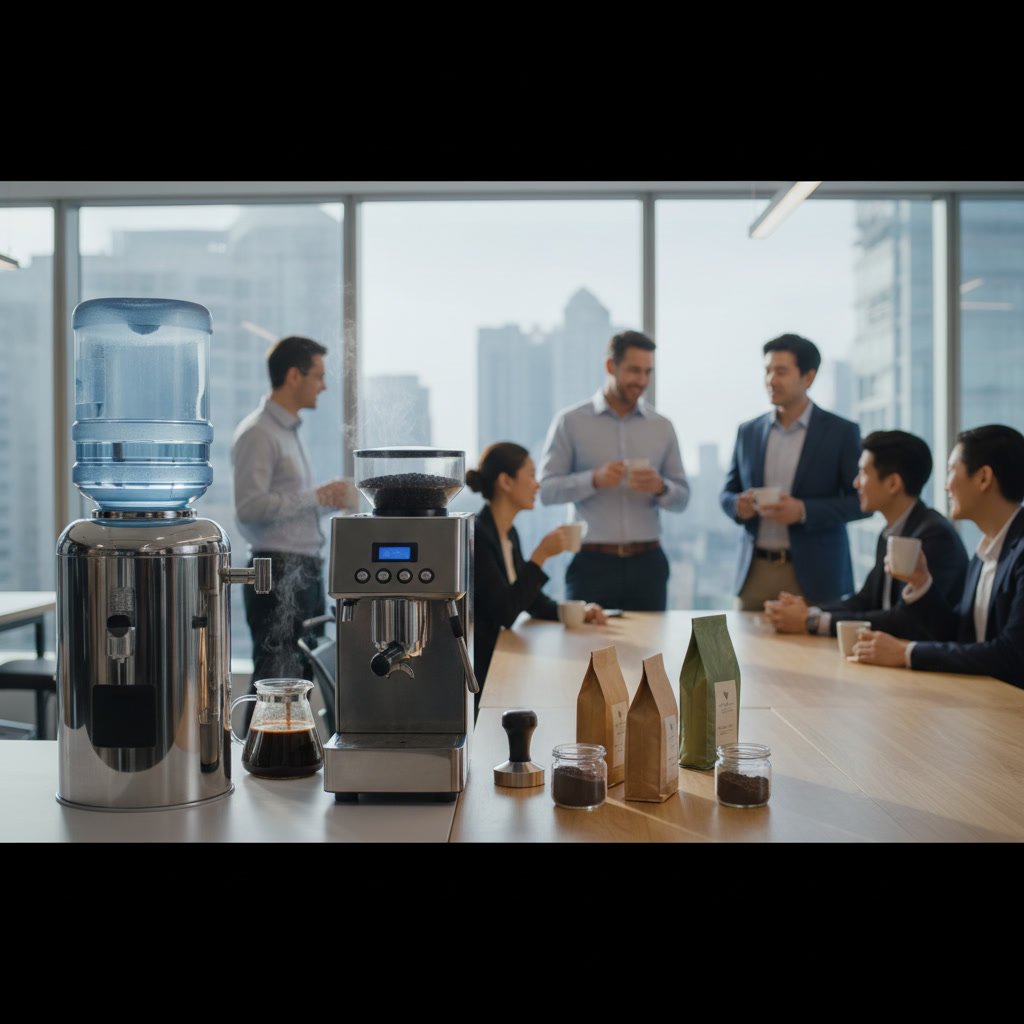
Quality coffee served on-site keeps employees at their desks, improves morale, and creates natural opportunities for team collaboration around the break room. The upfront investment in good office coffee delivery pays for itself through retained productivity and reduced turnover.
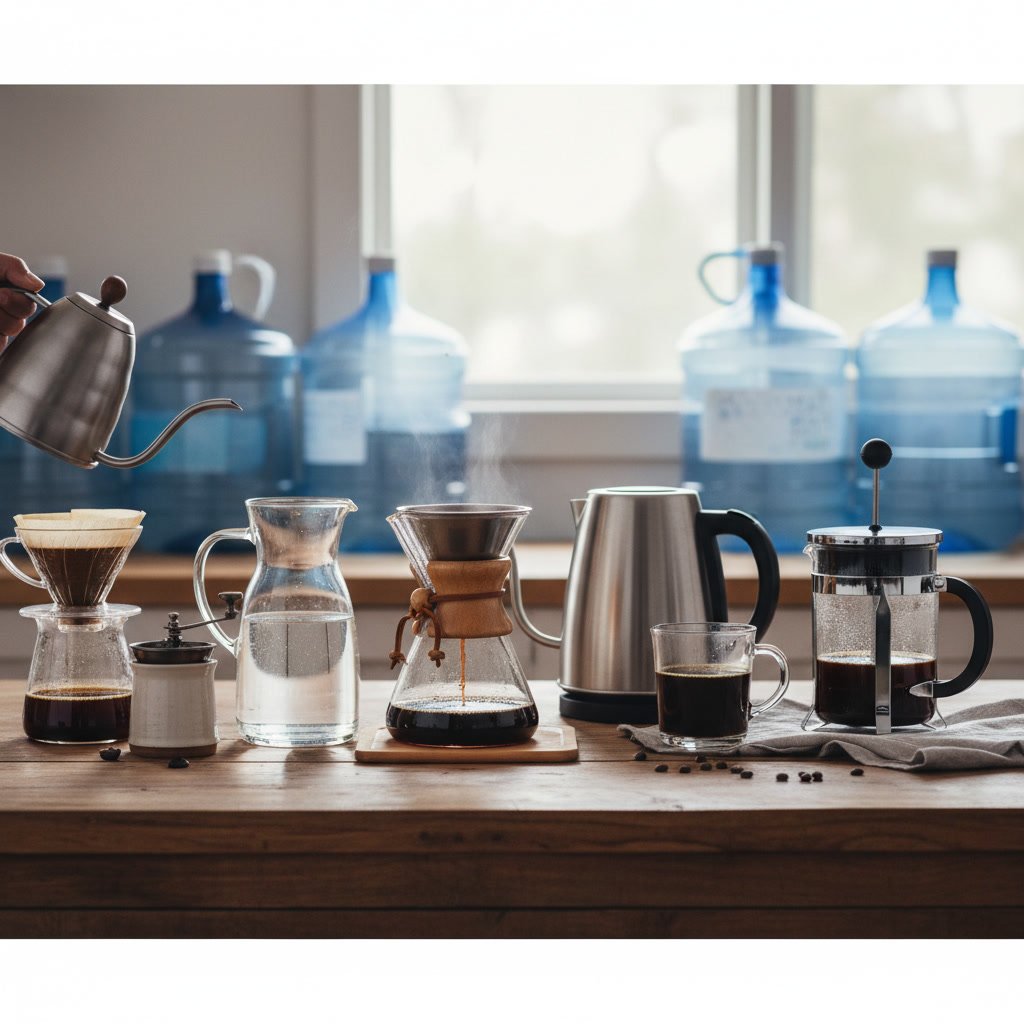
Water quality directly impacts coffee taste. If you have a water cooler providing fresh, clean water, you already have the foundation for excellent coffee. The right coffee paired with quality water creates a break room experience that rivals commercial coffee shops.
Understanding Different Coffee Types for Office Use
Not all coffee formats work equally well in office environments. Your choice depends on office size, daily consumption, and how much time staff can dedicate to brewing.
Whole Bean Coffee
Whole beans deliver the freshest flavor and aroma, but require a grinder and someone willing to operate it. This option works best for smaller offices with coffee enthusiasts who appreciate the extra effort. Beans stay fresh for three to four weeks when stored properly in airtight containers.
The main drawback is inconsistency. Different employees grind beans differently, leading to variable coffee quality throughout the day.
Ground Coffee
Pre-ground coffee offers convenience without sacrificing too much quality, especially when ordered through regular office coffee delivery schedules. Ground coffee works with standard drip machines and French presses, equipment most offices already own.
Ground coffee loses freshness faster than whole beans, typically staying at peak quality for one to two weeks after opening. Order quantities that match your consumption rate to maintain consistent taste.
Single-Serve Pods
Pod systems like K-Cups provide ultimate convenience and variety. Each employee chooses their preferred roast and strength without waste or cleanup. Pods work well for offices where coffee consumption varies widely throughout the day.
The cost per cup runs higher than ground or whole bean coffee, and environmental concerns around pod waste matter to sustainability-focused companies. Some manufacturers now offer compostable or recyclable pods that reduce environmental impact.
Cold Brew Concentrate
Cold brew concentrate offers a modern option that appeals to younger workforces. Staff simply dilute concentrate with water from your cooler, creating ready-to-drink coffee in seconds. This format eliminates brewing equipment entirely and works perfectly alongside your bottled water delivery service.
Cold brew stays fresh for several weeks when refrigerated, reducing waste and simplifying inventory management.
Matching Coffee to Your Water Source
Coffee is 98% water, making your water source the single most important factor in taste. Even premium coffee beans produce poor results when brewed with low-quality water.
If your office uses purified water, you have a neutral base that allows coffee flavors to shine through without interference from minerals or chlorine. Purified water works with all coffee types and roast levels.
Spring water contains natural minerals that can enhance coffee flavor by adding body and complexity. The mineral content helps extract coffee oils more effectively during brewing. Medium and dark roasts pair especially well with spring water, as the minerals complement the bold flavors.
Alkaline water creates a smoother, less acidic cup that many people find easier on their stomachs. If your office staff includes coffee lovers with acid sensitivity, alkaline water might be worth considering. The higher pH level reduces perceived bitterness in dark roasts.
Pro Tip: Run a taste test with your team using the same coffee brewed with different water types from your cooler. Let employees vote on their preference before committing to a specific water and coffee combination.
Selecting the Right Brewing Equipment
Your brewing method must match your office size and coffee consumption patterns. Mismatched equipment creates bottlenecks during peak morning hours or produces stale coffee that sits on warmers all day.
Drip Coffee Makers
Traditional drip machines work for offices with 10 to 30 employees who drink coffee steadily throughout the day. Look for commercial-grade units with thermal carafes instead of hot plates. Hot plates burn coffee after 30 minutes, creating bitter, unpleasant flavors.
Calculate your peak demand by counting how many employees arrive within the same 30-minute window each morning. Your coffee maker should brew enough to serve that rush without making staff wait.
Single-Serve Machines
Pod-based brewers eliminate wait times and stale coffee problems. Each cup brews fresh on demand in under two minutes. These machines require minimal maintenance beyond occasional descaling and work perfectly when connected to water cooler lines.
Budget for higher per-cup costs but lower equipment investment and maintenance expenses. Single-serve setups make sense for offices where coffee consumption peaks sharply during specific hours.
Commercial Brewers with Water Line Connection
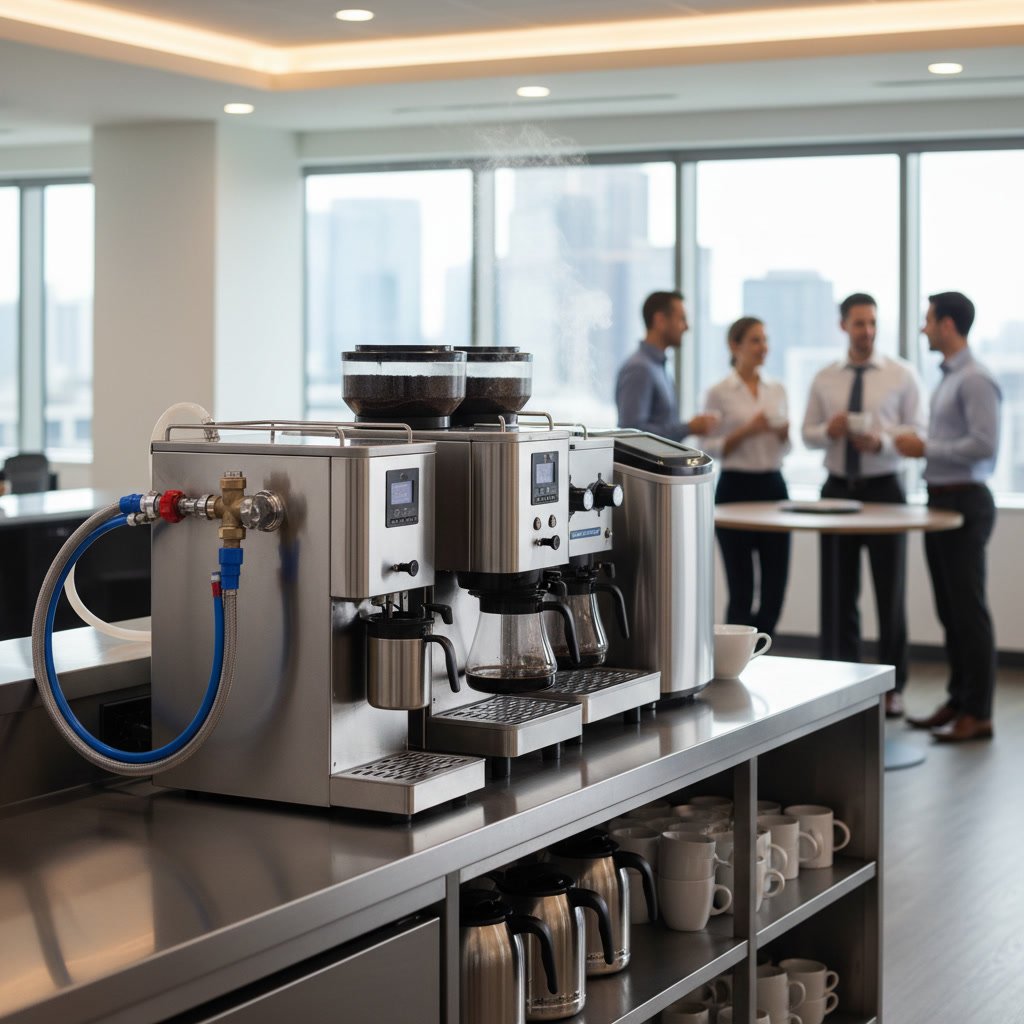
Large offices with 50 or more employees benefit from commercial brewers connected directly to bottled water coolers. These systems brew multiple pots simultaneously and maintain proper temperatures throughout the day.
Installation requires professional setup, but the convenience and consistency justify the investment in high-consumption environments. Many coffee delivery services offer equipment as part of their programs.
Finding Reliable Office Coffee Delivery in Las Vegas
Consistent office coffee delivery prevents those frustrating moments when you run out mid-morning and send someone on an emergency supply run. The right delivery partner becomes an invisible part of your office operations.
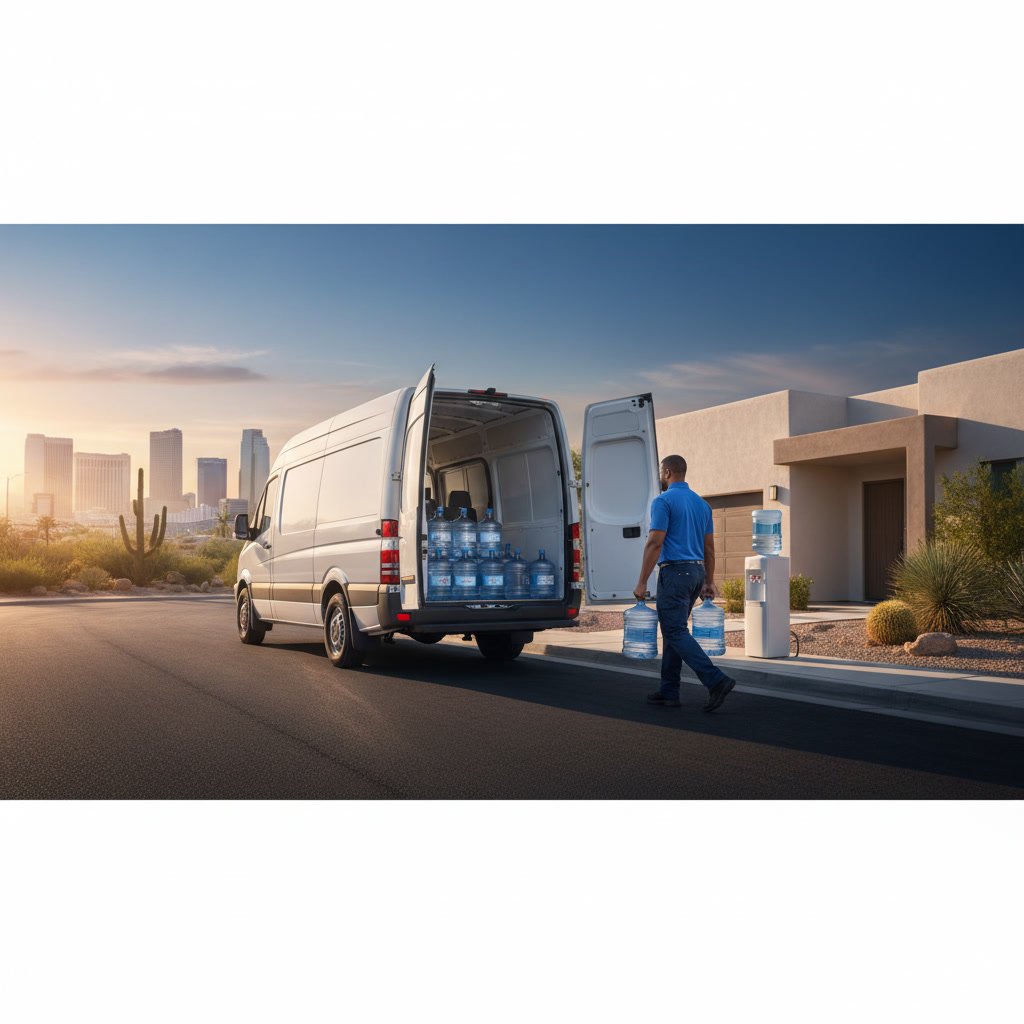
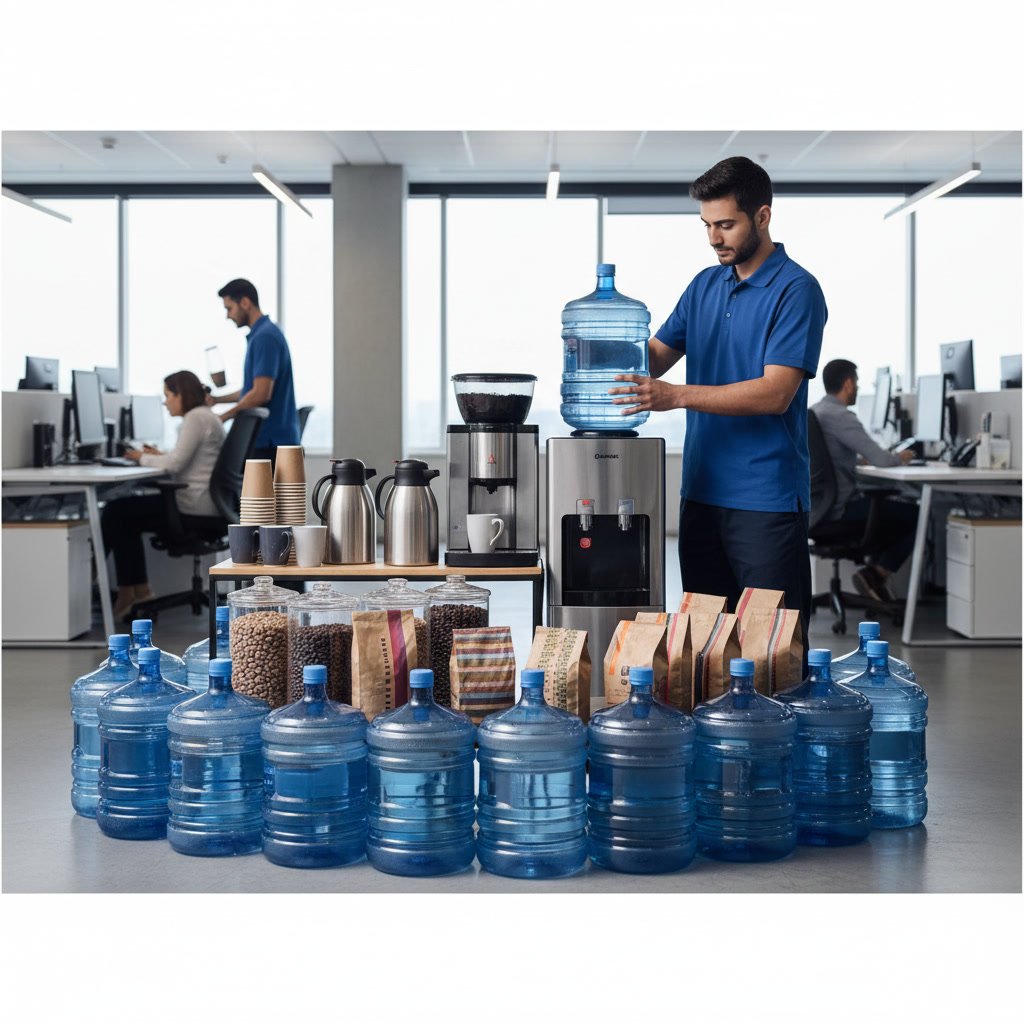
Look for delivery services that coordinate with your existing water delivery schedule. If you already receive regular bottled water deliveries, adding coffee to the same route simplifies logistics and often reduces delivery fees.
Delivery frequency depends on consumption. Most offices need monthly deliveries for coffee supplies, matching the typical four-week water delivery cycle. Larger operations might require bi-weekly service to prevent running low.
Ask potential delivery partners these questions before committing:
- What is the minimum order quantity and delivery frequency?
- Can you adjust delivery schedules during slow periods or company closures?
- Do you offer equipment maintenance or replacement as part of the service?
- What happens if a delivery is late or products arrive damaged?
- Can employees access multiple coffee varieties without increasing costs significantly?
Local providers serving Las Vegas understand the unique needs of Nevada businesses and often provide more flexible service than national chains. They can adjust to your schedule and respond quickly when issues arise.
Calculating Office Coffee Costs and Consumption
Understanding your true coffee costs helps you budget accurately and choose the most economical format for your situation. Most offices underestimate consumption and either run out frequently or over-order and waste coffee.
Track consumption for two weeks to establish your baseline. Count the number of cups consumed daily and calculate weekly totals. Multiply by four to estimate monthly needs, then add 10% to 15% as a buffer for variations.
Ground coffee typically costs $8 to $15 per pound and yields roughly 40 cups when brewed at standard strength. That works out to 20 to 38 cents per cup, plus the cost of filters and electricity.
Single-serve pods range from 40 to 75 cents each, with bulk office coffee delivery pricing toward the lower end. Factor in zero waste from stale pots and no need for filters or cleaning supplies.
Cold brew concentrate costs vary widely but typically produce cups for 50 to 90 cents each when diluted properly. The convenience and shelf stability often justify the premium for offices without dedicated coffee equipment.
Key Takeaway: Compare total cost of ownership, not just product prices. Include equipment maintenance, cleaning supplies, staff time for brewing and cleanup, and waste from discarded stale coffee when calculating true costs.
Accommodating Different Preferences and Dietary Needs
Your workforce likely includes people with varying coffee preferences, from those who drink it black to those who need multiple flavor and sweetener options. Creating a setup that satisfies most preferences without becoming unwieldy requires planning.
Stock two to three coffee options as your baseline: a medium roast for broad appeal, a decaf option for afternoon drinkers and those avoiding caffeine, and either a light or dark roast based on your team’s preferences. Run a quick survey to determine which direction to go.
Keep dairy and non-dairy creamers available. Plant-based milks like oat, almond, and soy accommodate dietary restrictions and personal preferences. Individual creamer pods reduce waste and prevent spoilage compared to large bottles.
Offer basic sweetener options including sugar, artificial sweeteners, and natural alternatives like stevia. Avoid stocking 10 different sweetener types, which creates clutter and complicates reordering.
Consider adding a small selection of teas for non-coffee drinkers. This shows you value all employees and creates an inclusive break room environment. Tea requires hot water from your cooler or brewer, so it adds minimal complexity.
Maintaining Freshness and Quality Over Time
Even the best coffee degrades quickly when stored improperly. Your storage practices directly impact taste and determine whether your office coffee delivery investment pays off.
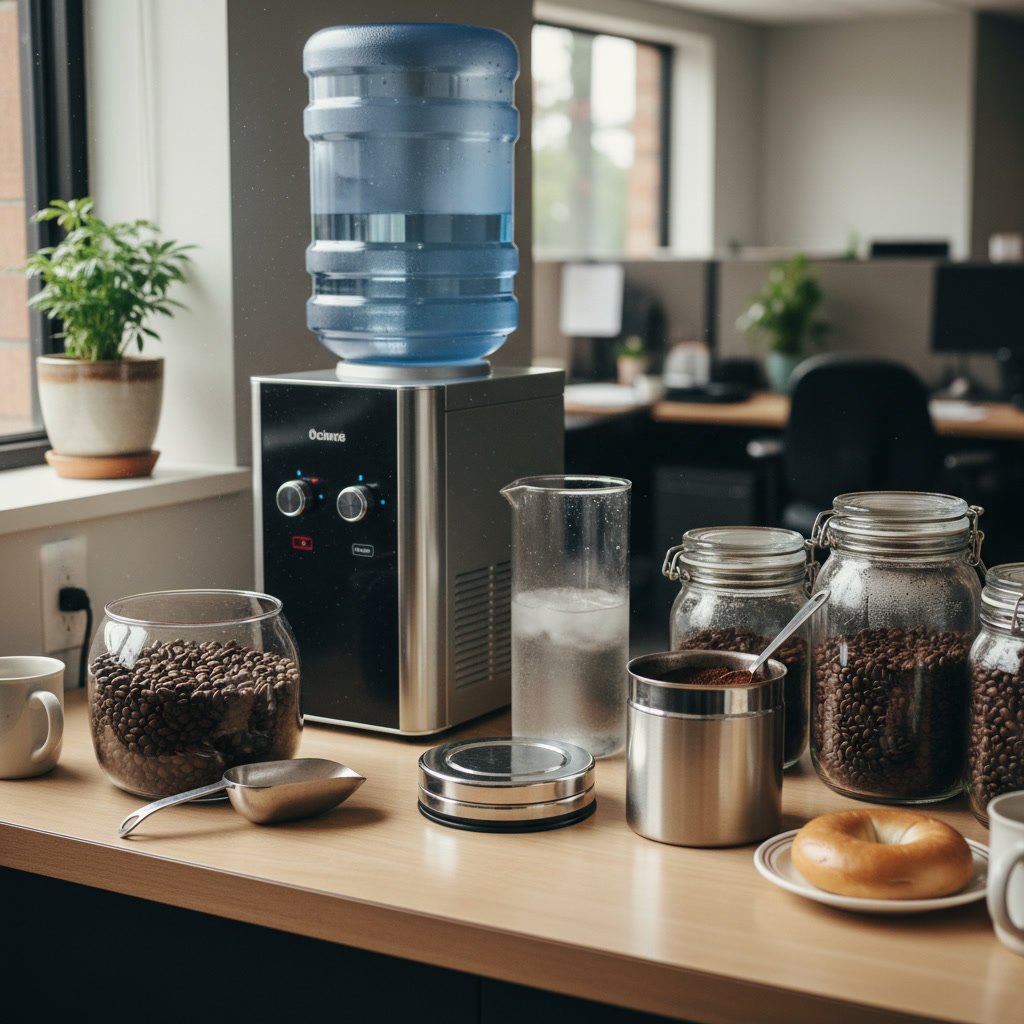
Store coffee in airtight containers away from light, heat, and moisture. Original packaging works fine if you finish bags within two weeks of opening. For longer storage, transfer coffee to opaque, sealed containers and label them with opening dates.
Keep coffee near your water cooler setup but away from heat sources like refrigerators, dishwashers, or windows with direct sunlight. Heat exposure speeds up the staling process and creates off flavors.
Clean brewing equipment weekly to prevent oil buildup and mineral deposits. Old coffee oils turn rancid and create bitter, unpleasant flavors that overpower even fresh coffee. Run vinegar or commercial descaling solutions through machines monthly, or more frequently if you notice slower brewing times.
Replace water filters in connected systems according to manufacturer recommendations. Degraded filters allow impurities through, affecting both water and coffee taste. If you notice changes in coffee flavor, check your water filter before blaming the coffee itself.
Implementing Your Office Coffee Program Successfully
Rolling out a new coffee program requires communication and adjustment periods. Even perfect planning faces unexpected challenges once real usage begins.
Start with a soft launch by introducing the new system to a small group of early adopters. Gather feedback about brewing difficulties, taste preferences, and logistical issues before announcing company-wide availability.
Post clear instructions near brewing equipment, especially if you have machines requiring specific steps or settings. Include troubleshooting tips for common problems like weak coffee, error messages, or equipment jams.
Assign responsibility for monitoring supplies and reporting when items run low. This prevents the common scenario where everyone assumes someone else will handle reordering until you run out completely.
Schedule quarterly reviews of your coffee program. Check consumption patterns, gather employee feedback, and adjust your orders accordingly. Your needs change as the company grows or contracts, and your office coffee delivery should flex with those changes.
Track cost per employee per month to identify trends and ensure your program remains budget-appropriate. If costs creep up unexpectedly, investigate whether waste, theft, or changing consumption patterns explain the increase.
Frequently Asked Questions
How much coffee should I order for a 25-person office?
A 25-person office typically consumes 3 to 5 pounds of ground coffee per week, assuming roughly half the staff drinks two cups daily. Start with 20 pounds per month and adjust based on actual usage. Pod-based systems require 300 to 500 pods monthly for the same office size.
Can I use tap water instead of bottled water for office coffee?
Las Vegas tap water contains minerals and chlorine that negatively impact coffee taste. While technically safe, tap water creates inferior coffee compared to purified or spring water from coolers. Many people notice the difference immediately, especially when drinking coffee black. You can learn more about local water quality issues in our guide about why Las Vegas tap water tastes bad.
Should I offer regular and decaf coffee options?
Yes, providing decaf accommodates employees who avoid caffeine for health reasons, are pregnant, or want coffee in the afternoon without affecting sleep. Decaf typically represents 10% to 20% of total consumption, so stock it in smaller quantities than regular coffee.
How often should office coffee delivery occur?
Monthly delivery works for most offices and aligns with typical water delivery schedules. Larger offices consuming more than 30 pounds of coffee monthly benefit from bi-weekly delivery to maintain freshness and prevent storage issues. Coordinate coffee delivery with your water service for maximum convenience.
What is the most cost-effective coffee option for offices?
Ground coffee brewed in traditional drip machines offers the lowest per-cup cost at 20 to 38 cents, but requires more staff time and creates potential waste. Single-serve pods cost 40 to 75 cents per cup but eliminate waste and labor. Calculate total cost including equipment, cleaning, and staff time rather than focusing solely on product prices.
Setting Up Your Complete Break Room Solution
The right office coffee delivery program paired with quality water creates a break room that employees actually enjoy using. When you eliminate the need for coffee runs, you improve productivity, boost morale, and create space for organic team interactions that strengthen company culture.
Start by assessing your current consumption, surveying employee preferences, and calculating realistic budgets for both coffee and equipment. Choose coffee formats that match your office size and consumption patterns rather than following trends that might not fit your needs.
Nevada Crystal Premium delivers both premium water and coffee to Las Vegas businesses, simplifying your break room logistics with coordinated deliveries. Our team helps you select the right combination of water types and coffee formats for your specific office environment. Contact us at +17028920535 to discuss office coffee delivery options that complement your existing water cooler setup or to start a complete break room solution from scratch.